
Stinky Urine in Dogs: Why Does My Dog’s Pee Smell Bad?
In people, some foods, such as asparagus, can make urine smell quite weird.
I don’t expect your dog eating a plate of asparagus for dinner?
I am even not sure it would make their urine smell bad because Jasmine did get some asparagus in her meals and I don’t recall any noticeable changes in the smell of her pee. Of course, it might have changed, but as much as I monitor what comes out of my dogs closely, being outside and one’s nose not getting THAT close, asparagus pee would likely go unnoticed.
This brings me to the point that with the distance of your nose from your dog’s pee and the way the smell would dissipate in the outdoor environment, I imagine that in most cases, the urine has to smell pretty bad before you’d notice unless your dog is also having potty accidents at home.

Is it pee you’re smelling?
Can you be sure the smell is definitely coming from the urinary tract? You can mistake other things for smelly urine, such as:
- pyometra
- vaginitis
- skin infections around the vulva or prepuce
Concentrated urine can have a strong odor.
The more concentrated the urine, the stronger it will smell of ammonia. If low hydration or high urine concentration were the reason, the color would also be a very strong shade of yellow.
Dehydration is not a good thing, though, and if my dog had such concentrated urine more than once, say after a long trip or walk, I’d want to take measures to keep the hydrated better.
Sweet-smelling urine?
Roses are supposed to smell sweet; urine is not. So if your dog’s urine smells sweet, you are indeed actually smelling sugar. Glucose, to be more accurate. As you can imagine, sugar might belong in your baking recipe but not in your dog’s urine. If this happens, there is too much glucose in your dog’s blood, and it spills into pee, and you’re likely looking at diabetes. A simple urine test will help determine whether this might be the case.
Further, dogs with diabetes are prone to infections, and the combination of high sugar and a UTI is possible. So that is double the reason to have your dog’s urine tested asap.
Medications?
I am unaware of medications that would make any profound changes to a dog’s urine though I imagine there might be some. However, I am aware of a case where a dog’s horribly smelling urine was attributed to a chemo treatment while it was a severe bladder infection instead. Given the circumstances, assuming the terrible smell was from the meds made sense, but I strongly believe that assumptions are your worst enemy. Never assume anything. Verify, confirm.
Urinary tract infections (UTI)
All this brings us to the most common cause behind bad-smelling urine, urinary tract infections. That is the number one cause of stinky pee. And no, a UTI is not a light matter and not just because of the discomfort it brings.
Other causes
Other potential causes of smelly urine include crystalluria/uroliths (although the smell is probably just concentrated urine) and possibly neoplasia of the urinary tract, for example, a tumor growing in the bladder. Prostate disease in male dogs may also affect the smell of the urine.
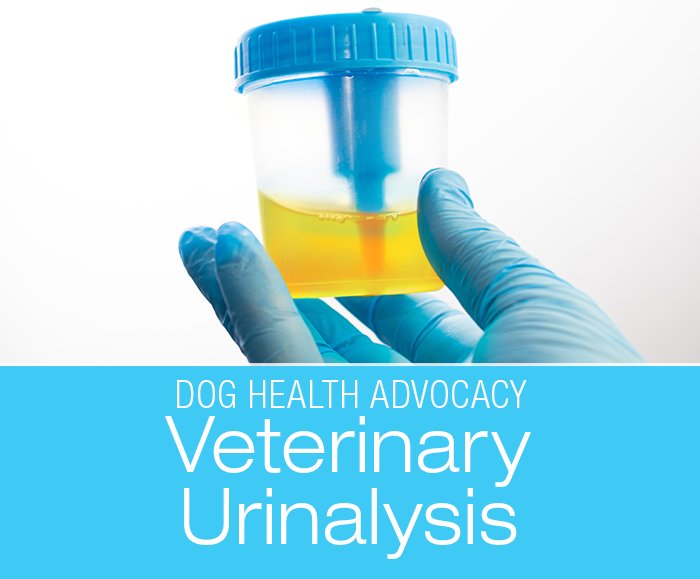
Urinalysis is a non-invasive, affordable, quick test. If your dog’s urine looks or smells weird, get it done.
Stinky Urine in Dogs: When Is It an Emergency?

A foul or unusually strong odor of your dog’s urine can be a sign of underlying issues like dehydration, infections, or metabolic problems. The smell alone isn’t always an immediate crisis. However, when combined with other symptoms, it can indicate a serious condition requiring prompt care.
Immediate Emergency (Rush to ER or Vet Now)
Seek emergency veterinary care right away if the stinky urine is accompanied by these signs, as they could point to life-threatening issues like advanced UTIs, blockages, diabetes complications, or kidney failure:
- Inability to urinate or severe straining: This may indicate a urinary blockage (e.g., from stones or prostate issues in males) or advanced infection, risking bladder rupture or toxin buildup.
- Blood in urine, vomiting, or abdominal pain: Suggests severe UTI, stones, or internal issues like hemorrhage—often with a fishy or ammonia-like smell from bacteria.
- Lethargy, weakness, collapse, or rapid breathing: Could signal dehydration shock, diabetic ketoacidosis (sweet smell), or sepsis from infection spreading.
- Excessive thirst/drinking with sweet or fruity odor: Classic for uncontrolled diabetes, leading to rapid deterioration if untreated.
- Pale gums, fever, or disorientation: Indicates systemic infection or organ failure—don’t delay, as these can escalate quickly.
Urgent but Not Immediate (See Vet Within 24 Hours)
Schedule a same-day or next-day vet visit if the odor is strong (e.g., ammonia/fishy) but your dog seems otherwise stable—no pain, eating normally, active. This could be early dehydration, mild UTI, or diet-related, but needs checking to avoid progression:
- Frequent urination or accidents with mild odor: Early UTI or prostate signs—common in females or intact males.
- Cloudy urine or mild increased thirst: Could be crystalluria or infection starting—collect a sample for the vet.
- Odor changes after diet/meds without other symptoms: Monitor briefly, but vet to rule out allergies or side effects.
General Advice for All Cases of Stinky Urine in Dogs
Home Monitoring
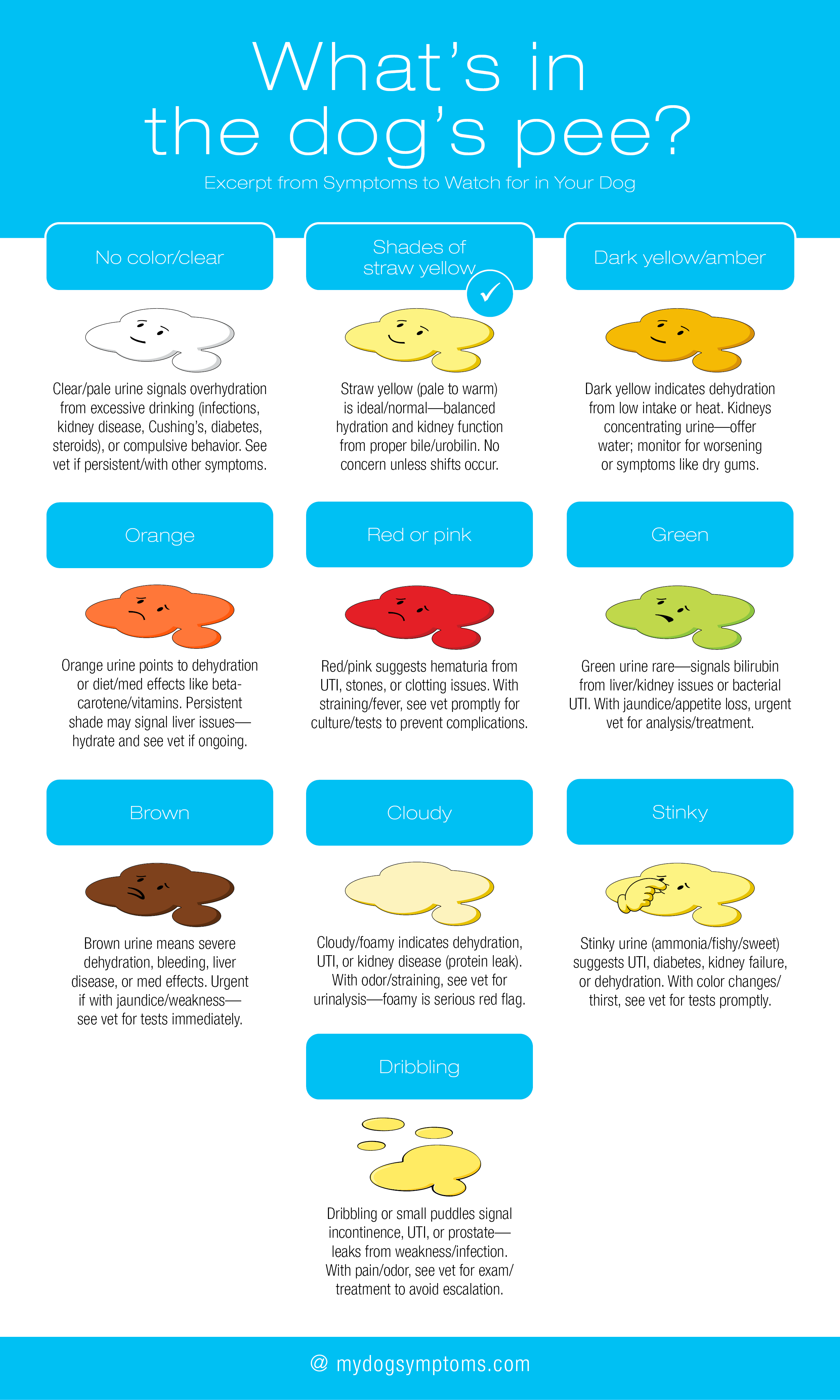
Note the smell type (ammonia=dehydration, fishy=infection, sweet=diabetes), color/clarity, and habits. Increase water intake temporarily if mild.
Collect a Sample
Mid-stream in a clean container, refrigerate, and bring to the vet—urinalysis is key for diagnosis.
Worried about the properties of your dog’s pee?

Try our FREE Is This and Emergency? Symptom Checker tool to expand on appearance, smell, and accompanying signs for a quick urgency assessment and vet recommendations.
Stinky Urine in Dogs FAQ
Common culprits include UTIs (fishy/foul), dehydration (strong ammonia), diabetes (sweet), or prostate issues—see full list above.
Usually concentrated urine from low hydration; encourage drinking and check for underlying causes like kidney problems.
Yes, often indicates diabetes with glucose spillover—vet for blood sugar test urgently.
Yes, certain foods/meds alter odor, but rule out infections first—don’t assume.
Emergency sign of UTI/stones—use our Emergency Checker and vet ASAP.
UTI is pungent/fishy with pain; dehydration is ammonia-like without symptoms—urinalysis confirms.
Related articles:
Bad Odor in Dogs: Why Is My Dog Stinky?
Further reading:
What Your Pet’s Urine Says About His Health
This is a huge point that we often discuss with newer hikers and their dogs. It’s one of the first signs of dehydration when you’re on the trails or backpacking because it’s something you tend to notice even if you’re not actively looking for a problem. When you’re out in the wilderness cut off from the rest of the world, it’s SO important to be diligent and keep an eye on what’s happening.
One of the worst things to get rid of in a cat is a persistent UTI so your dog version caught my interest. I had no idea sugar could make urine smell either! I admit that anything outside my usual ‘normal’ would have me scheduling a vet visit.
If I was a dog owner your post would give me plenty of clues and symptoms to be alert for. The post is a mini-seminar in itself – thank you!
Thank you 🙂
Always excellent and helpful info, Jana. I do recall when our eldest Husky was in her golden years, there was distinct stink to her urine and she did indeed have a UTI. Off to the vet and meds and she did fine. Good advice to pay attention, as that is not always something we think of. My one Husky was on epi-meds, and his had different color, very concentrated and dark gold…pee and poop can certainly tell a lot, can’t it? Will be sharing!
Great post and eye opener and need to start smelling her pee on the odd occasion to make sure all is ok
When it smells bad, you don’t have to get all that close to smell it. Now and then I also like to catch some and use my eyes to see what the color is, whether it’s cloudy and such.
I always worry that my dog is going to get a UTI. I need to pay attention to how her urine smell!
Any particular reason you’re concerned about that? It’s common but not that common. Good hydration, frequent potty breaks and probiotics help prevent that.
WOW!! This is great info! I’ll bring it up with Henry’s vet again when he goes in for his Fall check-up in a few weeks. He’s always had strong smelling urine. I’ve asked a few times about it and the vet said not to worry about it. I think I need to be more persistent. I’ll ask for a urinalysis as well to make sure he’s ok. He does drink water throughout the day. I’m always very aware of how much water he drinks. The vet said that this is just him. Hmmm….now I’m not sure. Perfect timing! I’m investigating this one further.
I’m also sharing it with all my dog parents. Great article, Jana!
Do you get urinalysis when at the vet? That provides great info. Concentrated urine will have a relatively strong smell too. What color is his urine?