Smelly Diarrhea in Dogs: Max’s Stinky Runny Poop
Doesn’t all diarrhea smell bad? There is no such thing as poop smelling like roses.
When your dog’s runny diarrhea smells worse than you’d expect, does it have a meaning? Parvovirus diarrhea is one with distinct foul smell. However, what if you’re dog is a vaccinated adult?
Other potential conditions that can lead to diarrhea with particularly foul odor include:
- Giardia
- anal sac infection
- intestinal parasites
- food intolerance or maldigestion
- bacteria overgrowth
Do you think that figuring out the cause behind a dog’s diarrhea is straightforward?
Further reading: Understanding Diarrhea in Dogs: A Tale of Many Tails—and What Came Out From Underneath Stories from My Diary-rrhea

Max’s story
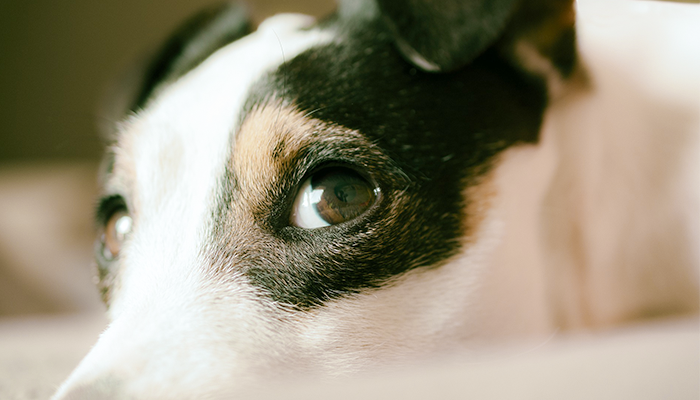
Max was a 6-year-old Jack Russell Terrier. He was a happy and active boy who enjoyed living in a rural country. Jack was as healthy as a horse. What could be better for a little Terrier than having the perfect home, family, and enjoying outdoor activities?
Max gets a diarrhea
One time, after a visit to a sheep farm, Max came down with runny nasty-smelling stools. However, it didn’t seem to bring him down—he remained his old, vibrant self, except his nasty poops.
His parents collected some of the liquid mess and took it and Max to a veterinarian.
The veterinarian examined Max and found nothing apparently wrong with him. Runny poops seemed Max’s only problem. Max’s trouble was likely happening in his large intestine.
Max’s stool analysis
When diagnosing poop problems, you have to look at the poop. The veterinarian performed a centrifugal fecal floatation. Given Max’s lifestyle, I guess it wasn’t a surprise that the technician discovered all sorts of things, including:
- coccidia
- roundworms
- hookworms
Did that mean that any of these things were genuinely causing Max’s problems? When you take a close look at the poop, you might find all sorts of things, but they might not be the culprit.
Pseudoparasites
The stool might contain things that look like parasites but are not—pseudoparasites. Plant fragments, insect fragments, and pollen grains can muddle the picture.
Spurious parasites
Further, some parasites might show up on the slide but not cause disease—spurious parasites—they could be there because the dog munched on poop or acquired their own snacks.
Max’s poop was a kaleidoscope of all these things. How to determine whether any of these were behind Max’s diarrhea?
The veterinarian sent some of the fecal sample to a reference laboratory for another pair of eyes.
Detailed history
Further, detailed history can help unravel such numerous findings.
For example, the stool of hunting dogs, or dogs that like to catch their own snacks, might contain parasites from their prey. And it doesn’t meant that there presence equals a disease.
Dogs that enjoy snacking on feces of other animals might have interesting slides. My dogs always enjoyed bunny poop, deer and moose poop, and horse poop.
As well as the the longer the stool remains on the ground, the more interesting things might accumulate— mites or maggots. History and lifestyle can make a world of difference when evaluating laboratory findings.
Unravelling the fecal floatation results
As it turned out, none of the parasites found in Max’s stool—coccidia, hookworm, and roundworm—were canine parasites and weren’t causing him an infection and diarrhea.
The veterinarian had to continue to look for another explanation for Max’s smelly runny stools.
Did your dog have diarrhea that was hard to figure out?
Source article:
Fecal Sample Analysis
Further reading:
Diarrhea/Runny Stools in Dogs: Why Is My Dog’s Poop Runny?
Canine Fecal Analysis: What Can Your Dog’s Poop Reveal About Their Health?
Treating Dog Diarrhea at Home: How Can You Fix Your Dog’s Runny Poop?