Hot Spots in Dogs: Harvey’s Acute Skin Infection
Dogs usually develop hot spots as a result of skin trauma whether from scratching an itchy spot or running through bushes and brambles.
As the skin integrity gets compromised, it allows local bacteria to overwhelm the area. Bacterial infections can get quite bad fast.

Harvey’s story
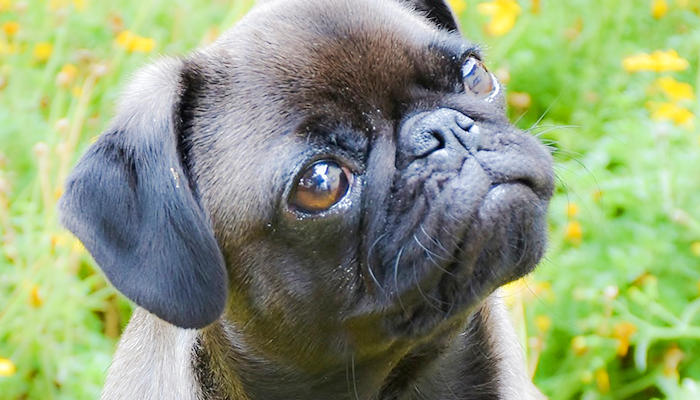
Harvey is an energetic Pug. He is full of life and loves to play chase in the garden with his housemate. The two dogs spend a lot of time chasing each other through bushes and brambles.
This time, when Harvey came in from their outdoor playtime, his mom noticed a wet spot on Harvey’s neck. Upon closer inspection, there was nothing visible on the skin other than a tiny prick. Did Harvey get bit by a bug or got a small wound from a run-in with a branch?
The wound looked innocent and it didn’t bother Harvey at all. Tiny traumas like that can quickly heal on their own; except when they don’t.
Unhappy skin
By next morning, though, the tiny red spot on Harvey’s skin turned into a large blotch. It was oozing fluid and it was now bothering Harvey. He kept trying to scratch it. Harvey’s mom decided to see a veterinarian.
At the veterinarian
It took all but a glance for the veterinarian to recognize what was happening with Harvey’s skin—he developed a hot spot.
Whether it did start as a bug bite or a small graze, the problem grew quickly just overnight. The natural bacteria on Harvey’s skin invaded the damaged area, quickly multiplying, and producing wastes that further irritated the skin.
The skin then gets both itchy and painful and as Harvey was trying to scratch it, he kept making things worse. Hot spots can blow up in scary proportions fast.
The treatment
There are measures owners can take at home to treat hot spots. But it’s important to keep in mind how quickly a small problem can become a large one—many dogs might need antibiotic treatment to get things under control. Such a sore can double in size every day.
The first step is to trim the fur around the sore to allow the area cool and dry out. This might be easier said than done, particularly if the sore is large and painful—some dogs even need to be sedated.
With the fur trimmed, the veterinarian cleaned the area with warm water and gentle antiseptic. Then he treated Harvey’s sore with an antibiotic, soothing ointment as well as Harvey came home with antibiotics.
Harvey responded to the treatment quickly and two days later his skin looked almost normal.
Summary
If you catch a brewing hot spot early, you might get away with treating it at home. But don’t take chances because bacterial infections are like a moving train that can hit with full force fast. And don’t forget that large hot spots can be extremely painful.
Source story:
A Red Blotch Appeared on the Back of Harvey’s Neck
Related articles:
A Primer On Hot Spots
Acute Moist Dermatitis in Dogs: Symptoms to Watch for in Your Dog—Hot Spots
Further reading:
Pyotraumatic dermatitis (acute moist dermatitis, hot spot)
First Aid for Hot Spots in Dogs