
Cyanotoxin Poisoning Antidote: Can Cholestyramine Save Your Dog?
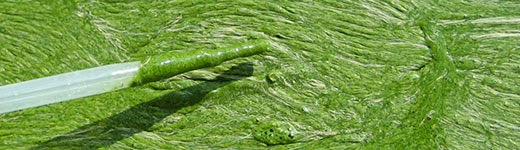
Blue-green algae, also known as cyanobacteria, are common in stale or stagnant water and are often found in ponds, lakes, and reservoirs.
Dogs can get poisoned with the toxins found in blue-green algae when they swim or drink from waters contaminated by the bloom.
Blue-green algae toxin can attack either the liver or the nervous system. Symptoms depend on which type of toxin has poisoned your dog.
Further information: Cyanotoxin Poisoning in Dogs: What Happens in a Dog’s Body with Cyanotoxin?
There hasn’t been much available in terms of an effective treatment. Could that have changed? I first highlighted cholestyramine as a potential antidote back in 2014. I went to see whether there is anything new happening with this potential treatment.

Preventing cyanotoxin poisoning
An ounce of prevention is always better than a pound of cure. That applies to any poisoning, injuries, and other health problems. Learn how to identify contaminated waters and keep your dog out of any suspicious-looking pond or lake.
Further information: Blue-green algae: What it is and why it’s so deadly
Cholestyramine treatment
The first time I learned about this potential antidote was in 2014. An experimental therapy at the time, it saved the life of an Australian Shepherd, who was dying from microcystin poisoning—that is the kind of toxin produced by cyanobacteria.
Back then, the veterinarian had rat studies to go on but the compound had never been tested in dogs.
How does it work?
Cholestyramine is a salt that binds with bile acids in the intestine, preventing their reabsorption. Some poisons use bile as a vehicle to gain access to the bloodstream.
Bile is a fluid that is secreted by the liver that helps the digestion of fats. From the liver, bile makes its way into the gallbladder where it is stored to be mixed with stomach content as it moves through the small intestine. Along the way most of the bile salts are reabsorbed into the bloodstream for recycling in the liver. Only a tiny portion of it goes out with the stool.
When a toxin hitches a ride with the bile acids, it has open access to poison the dog. Cholestyramine prevents poisoning by making it a one-way trip—out with the poop.
Some of the toxins cholestyramine can work on include:
- vitamin D3
- sago palm
- digitoxin
- and cyanobacteria
Further information: 10 Drugs Veterinarians Should Keep On Hand for Toxicity Cases
Anabelle’s story
Anabelle was a 2 and a half year old miniature Australian Shepherd. She arrived to a veterinary clinic with acute loss of appetite, vomiting, and depression.
While taking her history, the veterinarians concluded she was exposed to algae bloom when she went swimming in a lake two days before.
Anabelle went from a happy dog to very sick one within an hour.
The diagnosis
Blood work suggested acute inflammation of the liver. Anabelle’s clotting was also shot. When they analyzed her poop, it was positive for the cyanobacterial biotoxin.
The treatment
Anabelle remained in the hospital, undergoing an aggressive supportive treatment but was doing poorly. On the fifth day, her veterinarians decided to give her oral cholestyramine.
Within 48 hours, Anabelle improved dramatically.
Most dogs with cyanotoxin poisoning don’t survive. Those who do, suffer severe liver damage. Anabelle recovered within a couple of weeks and didn’t suffer any ill effects of the ordeal.
Further information: Treatment of cyanobacterial (microcystin) toxicosis using oral cholestyramine: case report of a dog from Montana
In closing
It seems, that if your dog gets exposed to blue-green algae bloom in spite of your best efforts, this treatment might save their lives.
Source article:
Dog’s Worst Friend
Related articles:
Blue-Green Algae Poisoning: Summer Perils for Dogs—Cyanotoxin Poisoning
Cyanotoxin Poisoning in Dogs: What Happens in a Dog’s Body with Cyanotoxin?
Further reading:
Blue-green algae: What it is and why it’s so deadly
10 Drugs Veterinarians Should Keep On Hand for Toxicity Cases