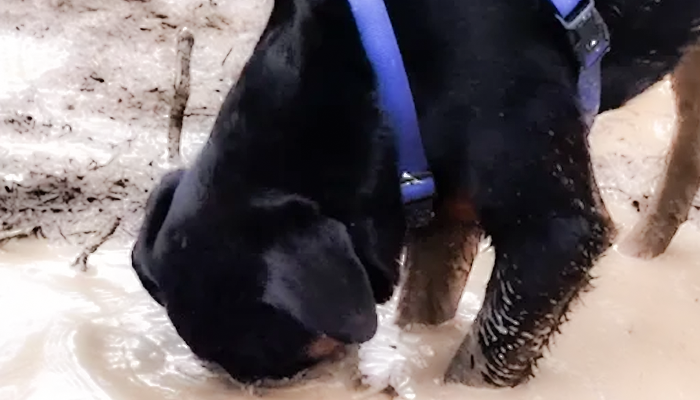
Canine Leptospirosis Vaccination Decisions: Endemic Spread and Risk-Based Choices
Leptospirosis a zoonotic bacterial disease that affects many species, including dogs. The infection can cause mild flu-like symptoms or can turn into a life-threatening disease.
Leptospirosis responds well to antibiotics—if treatment starts early. The real problem is recognizing it in time. Early symptoms often look like a mild flu—lethargy, poor appetite, vomiting—so diagnosis is frequently delayed. By then, the bacteria may have already caused kidney or liver injury, making recovery harder and outcomes less predictable.
Leptospira bacteria enter through the mouth, nose, eyes, or broken skin and quickly spread through the bloodstream.
Unlike many bacteria that live on sugars, these organisms feed on the building blocks of cell membranes, injuring tissues as they move through the body. This triggers inflammation of small blood vessels, making them leaky and disrupting blood flow.
Because the kidneys and liver filter large volumes of blood, many of the circulating bacteria end up there. As the organisms further multiply, they cause direct tissue damage, while the inflamed, leaky vessels reduce blood flow and worsen the injury.
Canine Leptospirosis Symptoms
Early stage
Early symptoms are mild and frustratingly generic:
- fever
- lethargy/depression/low energy
- decreased appetite (anorexia)
- vomiting
- diarrhea
- muscle or joint pain
- stiffness or reluctance to move
- shivering/trembling
- increased thirst and urination
- mild eye redness or discharge
These signs look like dozens of everyday illnesses—which is exactly why leptospirosis ↓ is often not suspected right away.
Late stage
As disease progresses, symptoms reflect organ involvement and damage.
Kidney involvement/failure (often the turning point)
- increased thirst
- increased urination
- progression to scant urine or no urine
- dehydration despite drinking
- nausea, vomiting, bad breath from toxin buildup
- sudden lethargy or weakness
When the kidneys fail, toxins build up quickly. Dogs can crash fast once urine output drops.
Liver involvement/failure
- jaundice (yellowing of eyes/gums/skin)
- loss of appetite
- vomiting or diarrhea
- abdominal discomfort
- dark urine or pale stools
The liver has many jobs, including detox, digestion, and clotting. When it’s inflamed or failing, toxins build up, appetite drops, and clotting factors fall.
Dogs at this stage look generally unwell—yellowed, nauseated, weak, and sick all over, not just tired.
Bleeding/clotting issues
- abnormal bleeding or bruising (low platelets)
- nosebleeds
- blood in urine or stool
- tiny red/purple spots on gums or belly (petechiae)
Bleeding can result both from liver failure (reduced clotting factor production) and from infection-related platelet loss or blood vessel inflammation.
End-stage presentation
- sudden weakness or collapse
- refusal to stand
- severe dehydration
- shock
- emergency hospitalization required
At this point, leptospirosis is life-threatening and requires immediate intensive care.


When to get your dog checked promptly, regardless of potential cause:
- fever (hot to the touch, shivering, or temperature over 39.5 °C / 103 °F)
- unusual lethargy or “just not themselves” behavior
- repeated vomiting or diarrhea
- loss of appetite for more than 24 hours
- increased thirst or urination
- stiff, painful, or reluctant movement
- yellowing of the eyes or gums (jaundice)
- dark urine or very little urine
- unexplained bruising or bleeding
- sudden weakness, collapse, or trouble breathing
If your dog may have been exposed to wildlife, puddles, ponds, or muddy water and shows any of these signs, mention that to your vet. It helps guide testing.
When it comes to leptospirosis—and many other illnesses—early treatment can make the difference between a simple recovery and a life-threatening emergency.
Canine Leptospirosis Diagnosis
If early treatment is the key, how early can you know something is wrong?
Most clinics can run basic bloodwork and urinalysis on the spot. Combined with your dog’s history—recent outdoor water exposure, wildlife contact, or local outbreaks—the results can quickly raise suspicion for leptospirosis. When that happens, vets typically start antibiotics right away while sending PCR or antibody tests to confirm the diagnosis.

Does this look like lepto?
Basic screening tests (fast, same day)—bloodwork and urinalysis
- checks kidney and liver values
- looks for dehydration, inflammation, and organ stress
- may show protein or blood in urine
These don’t tests don’t confirm leptospirosis, but if kidney or liver numbers are suddenly abnormal, it jumps high on the suspect list.

Is the bacteria here right now?
PCR test (blood or urine)
- detects leptospira DNA directly
- works best early in infection
- helps confirm active disease
This is the closest thing to an early “yes/no” answer.
Because time matters, many vets start antibiotics immediately while waiting for PCR results.

What exactly are we dealing with?
Antibody tests (MAT or SNAP)
- shows immune response to leptospira
- paired tests can show rising titers (active infection)
- may help identify the serovar
- helps distinguish vaccine response vs infection
These tests confirm the diagnosis and fill in the details.
- which serovar?
- vaccine or natural infection?
- records / reporting / insurance
My Canine Leptospirosis Vaccination Decision Then (Ten Years Back)
A vaccine against leptospirosis was classified as a non-core vaccine, meaning a dog might or might not have needed it depending on lifestyle and travel.
At the time, local surveillance indicated a diversity of leptospira serovars in the region—more than the available vaccine could cover. The vaccine also carried a relatively higher rate of adverse reactions, and vaccinated dogs could still get sick. Meanwhile, cases in our area were increasing.
Along with lifestyle and geography, these were the two main realities to weigh:
- infected dogs could die of leptospirosis if it isn’t caught early
- vaccinated dogs could still get sick
When we lived in southern Ontario, we vaccinated against leptospirosis annually. It had always been a source of emotional turmoil for me. It was an optional vaccine, which meant the decision rested squarely on me.
Which Is the Lesser of the Evils?
There were cases of dogs getting sick in our area, and our dogs spent a substantial amount of time outdoors—in the bush and on farmland, places shared with plenty of wildlife, live stock, and rodents. That’s when we ended up vaccinating.
When we moved (French River, Ontario), I discussed with our new veterinarian whether we should continue.
According to her, the serovars found in local wildlife were not covered by the vaccine. This meant it didn’t make sense to vaccinate. Vaccination against one serovar wouldn’t necessarily protect against the others, so the benefit here was uncertain.
The Dilemma
I wasn’t completely sure whether I should feel relieved or concerned. Because I’m a bit of a worrier, I leaned toward concerned.
So we didn’t vaccinate. Given the local serovars, it didn’t seem to make much sense. But our longtime vet raised another point: even if the local strains weren’t covered, what if we traveled?
At the time, we didn’t travel—or at least we didn’t plan to. Then, at the end of April, we were heading south for a couple of weeks. And when you travel, you want to cover all your bases… right?
Honestly, it wouldn’t have crossed my mind if someone in my Facebook group hadn’t asked about the lepto vaccine. I answered the question—and suddenly it clicked. We were traveling after all.
And we were heading to an area where the vaccine-covered serovars were known to circulate.
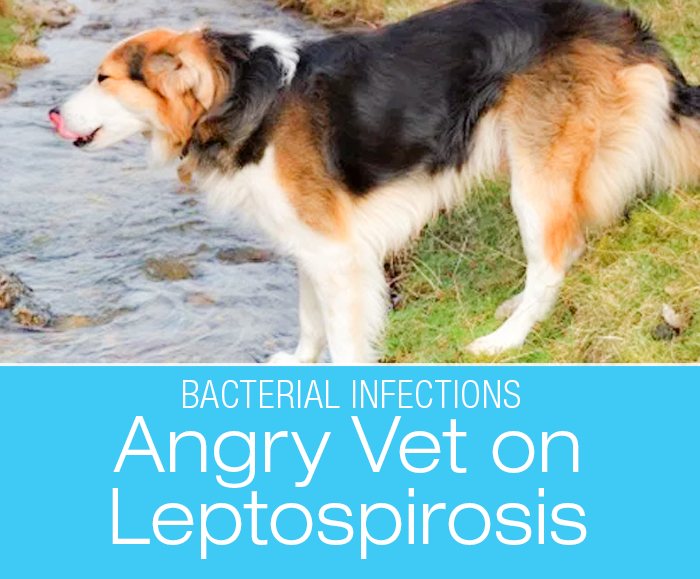
To vaccinate or not to vaccinate?
Should we vaccinate then?
As much as I didn’t like the idea, my gut told me yes.
So I started calling around.
I phoned a local vet in the area where we’d be staying and asked about their situation and recommendations. They vaccinated dogs considered at risk—dogs spending time in the woods and other places frequented by wildlife. Which is exactly what our guys would be doing.
Then I checked with our vet back home. Turned out they were starting to vaccinate more dogs as well. It seemed the serovar landscape had changed.
Here was the thing: every option had a catch.
Hard to catch early
Leptospirosis is treatable with antibiotics—if it’s caught early.
But early signs are vague and easy to miss. Testing only happens once something looks wrong, and by then organ damage may already be underway.
Higher vaccine reaction risk
The vaccine had a relatively higher rate of adverse reactions than most routine shots.
Serious reactions are uncommon and seen more often in small dogs, but the risk isn’t zero—and there’s never a problem… until there is.
Imperfect protection
Coverage isn’t complete and immunity may not last a full year.
Even vaccinated dogs can still get sick. A friend’s fully vaccinated dog developed lepto from a serovar included in the vaccine—and never left the yard.
In the end, I figured that vaccinating was the lesser of the evils after all.
We haven’t traveled since and I am not vaccinating. I am keeping updated on local serovars, though. If the status quo changes, so might my decision.

My Canine Leptospirosis Vaccination Decision Now
Fast-forward 10 years.
Our dogs lived full, healthy lives and never contracted the disease. Except for that one travel year, we skipped the vaccine.
Now we’ve adopted a new Rottweiler mix girl. She needs to get up to date on core vaccines—and once again the topic of the lepto shots has come up. It feels a bit like Groundhog Day, revisiting the same decision over and over.
What has changed?
Today, AAHA and ACVIM list leptospirosis as a core vaccine for most dogs, not just those with high-risk or rural lifestyles.
I read the documents and found absolutely nothing useful—they read like opinion pieces. They present zero data: no epidemiology, just implementation strategy. Am I supposed to make a decision based on that, or just obey?
AAHA is committed to supporting the veterinary team in conversations with clients around vaccinations, and moving the Leptospira vaccine to a core vaccine is key to smoother conversations and greater compliance.
—Jessica Vogelsang, Chief Medical Officer for AAHA
..the real risk factor [for leptospirosis infection] is whether or not the dog is vaccinated.
—George Moore, DVM, PhD, professor of epidemiology at Purdue University
Funny—I always thought the main risk for infection was exposure combined with a poor immune response. That’s where vaccination would come into play… if we actually had a map or real data on local disease endemicity. So we got the gravy—where’s the beef?
Further reading: AAHA guidelines designate Leptospirosis vaccine as core
The ACVIM is more honest about what they produced—a consensus statement. It includes a lot of detail, but mostly conclusions.
Updated ACVIM consensus statement on leptospirosis in dogs
Hats off to WSAVA for using common sense—making the leptospirosis vaccine core only in regions where it’s endemic, implicated serogroups are known, and suitable vaccines are available. That’s the approach I’m trying to take here.
Vaccines for pet dogs (non-shelter)
| Vaccine | Puppies ≤16 weeks | Dogs >16 weeks | Schedule | Notes |
|---|---|---|---|---|
| Leptospira spp. (killed bacterin) Serogroups included depend on geographic region. Most vaccines include at least two serogroups; some are monovalent, trivalent, or quadrivalent. | Initial dose usually starting at 8 weeks of age. Follow product label guidance. Second dose 2–4 weeks later. | Two doses, 2–4 weeks apart. | Annually | Core for dogs in regions where canine leptospirosis is endemic, implicated serogroups are known, and suitable vaccines that include those serovars are commercially available. |
2024 guidelines for the vaccination of dogs and cats
Canine Leptospirosis Vaccination Rationale
Every vaccination decision comes down to three questions:
Can my dog get it?
Can it kill my dog?
Is there an effective treatment?
1. Endemicity
What we seem to know is that cases are shifting from rural to urban areas. What does that mean for rural regions? Has the endemicity increased, decreased, or stayed the same? And which serovars are actually circulating where I live?
Published incidence data are patchy and highly regional. Surveillance is inconsistent, reporting is voluntary in many areas, and mild cases are likely underdiagnosed. This makes true risk difficult to quantify.

Our Regional Info Update from Pepper’s Veterinarian
In Ontario, leptospirosis is considered endemic in many regions. Surveillance data from the Animal Health Laboratory (Guelph) consistently identify several circulating serovars, including:
- Pomona
- Icterohaemorrhagiae
- Grippotyphosa
These are among the most clinically significant serovars in dogs and are associated with kidney and liver involvement and failure.
All three commonly identified serovars are included in the four covered by Nobivac Edge L4 (Merck Animal Health):
- Pomona
- Icterohaemorrhagiae
- Grippotyphosa
- Canicola
2. Morbidity and Fatality
Canine leptospirosis moves quickly from a vague, flu-like illness to life-threatening organ failure. Morbidity and fatality rise sharply once the bacteria leave the bloodstream and localize in major organs.
Early systemic phase (bloodstream spread)
Morbidity
Low to moderate. Signs are mild and nonspecific.
Fatality
Very low if recognized and treated promptly.
Notes
Often undiagnosed at this stage.
Organ-localization phase (the turning point)
This is the critical phase, when leptospira settle in the kidneys, liver, and blood vessels. Once urine output drops or jaundice appears, dogs can deteriorate rapidly without intensive care.
Morbidity
High. Dogs commonly develop acute kidney injury, liver inflammation or failure, dehydration, jaundice, and worsening gastrointestinal signs.
Fatality
Typical severe cases: often cited around 10–25%
Leptospiral Pulmonary Hemorrhage Syndrome (LPHS): rare but catastrophic, with reported fatality rates of 50–70%
Notes
Bleeding and clotting abnormalities may emerge due to liver dysfunction, platelet loss, and blood-vessel inflammation.
Advanced or chronic outcomes
Dogs that survive the acute crisis may not fully recover.
Morbidity
Variable. Some dogs become silent shedders, excreting leptospira in urine for months. Others are left with chronic kidney disease or ongoing liver disease.
Fatality
Lower in the short term, but long-term survival depends on the extent of permanent organ damage.
3. Canine Leptospirosis Treatment
Early treatment with antibiotics is effective when started promptly. The real crux of the matter is identifying the problem fast enough.

Canine Leptospirosis Vaccines, Efficacy, and Safety
Most leptospirosis vaccines used for dogs in North America are adjuvanted, inactivated (killed), whole-cell bacterins. Tetravalent (4-serovar) vaccines are the most common today, targeting strains frequently linked to canine disease, such as Icterohaemorrhagiae, Canicola, Grippotyphosa, and Pomona.
These vaccines primarily reduce the severity of illness and decrease bacterial shedding in urine among infected dogs, but they do not fully prevent infection. Some cross-protection against non-included serovars may occur, though it is not consistently reliable. As a result, vaccinated dogs can still contract the disease, but outcomes are generally milder.
Modern leptospirosis vaccines remain adjuvanted killed bacterins, but advancements in purification and antigen dosing have improved their safety compared to older versions. For instance, in my experience with larger breeds like Rottweilers, size-related concerns were minimal, but these improvements are particularly beneficial for smaller dogs.
Antigen purification
Older vaccines used crude whole-cell bacterins, which could include residual culture media, cell fragments, endotoxins, and other debris that might contribute to inflammation. Modern formulations are highly purified, removing unnecessary proteins and by-products to focus on key antigens that stimulate immunity with less potential for irritation.
Adjuvant purification
Aluminum adjuvants in today’s vaccines are pharmaceutical-grade, formed through controlled processes and washed to minimize contaminants like salts and free ions. They undergo sterilization and testing for endotoxins and particle uniformity. These refinements, along with stricter quality controls, result in more consistent and less reactive products.
Antigen load
Early vaccines often employed higher, uniform doses across all dog sizes, potentially leading to stronger reactions in smaller animals. Current manufacturers optimize doses to provide effective immunity with minimal immune overactivation. Some vaccines also use reduced volumes for small dogs, which can lessen local irritation without compromising protection.
Canine Leptospirosis Vaccine Adverse Reactions
Mild systemic reactions
Most common (~50 per 10,000 doses)
- lethargy
- mild fever
- reduced appetite
- single episode of vomiting or diarrhea
Onset: 2–48 hours after injection
Typical duration: 1–3 days (usually self-resolving)
Local injection-site reactions
Common; mild
- soreness
- mild swelling
- lump or tenderness at the injection site
Onset: Within a few hours to 72 hours
Typical duration: 1–7 days
Allergic / hypersensitivity reactions
Uncommon (~6–8 per 10,000 doses); moderate
- facial swelling (especially muzzle or eyes)
- hives
- itching
- repeated vomiting/diarrhea
Onset: 30 minutes – 8–12 hours
Typical duration: 24–48 hours (often needs antihistamine or supportive care)

Severe anaphylactic reactions
Very rare; medical emergency
- difficulty breathing
- collapse
- pale gums
- shock
Onset: Minutes to 3 hours (rarely up to 8 hours)
Requires immediate treatment
Most reactions are mild and resolve on their own within a few days.
Reported vaccine adverse events based on available data
Historical data suggested higher reaction rates for leptospirosis vaccines, but recent studies indicate that modern formulations have safety profiles comparable to other canine vaccines. Here’s a summary of key findings:
Lepto vaccine adverse event rates
This is where it gets tricky—why compare these numbers? Why not compare vaccinated dogs with and without reactions? I can see the owner would not report lack of reactions, though.
Dogs that received a Leptospira vaccine
– 53.0 adverse events per 10,000 dogs vaccinated
Dogs that did not receive a Leptospira vaccine
(same visit context)
– 22.1 adverse events per 10,000
–JAVMA 2015, owner-reported AEs
Comparison of two- versus four-serovar vaccines adverse events by UK VMD pharmacovigilance (2023 update)
– two serovar 0.016%
– four serovar 0.045%
Why is the tetravalent vaccine more reactive?
Overall canine vaccine adverse event rates
2002–2003
38.2 adverse events per 10,000 dogs vaccinated
2016–2020
18.4 adverse events per 10,000 dogs vaccinated
This data suggests that vaccine overall safety has improved. I also find it useful that in this data, the Lepto vaccine doesn’t show higher adverse event rates than other common canine vaccines such as DA2PP or rabies.

Related information of intereset


-Overall Vaccine Reactions Banfield/Purdue data 2023
You might need to think differently depending on your dog’s breed and size.
Canine Leptospirosis Vaccine Efficacy
Based on available evidence, modern multivalent vaccines offer substantial protection against severe leptospirosis. A 2022 systematic review estimated:
- 84% reduction in clinical disease
- 88% reduction in renal carrier status in vaccinated versus unvaccinated dogs
Challenge studies with tetravalent vaccines confirm reduced illness, kidney colonization, and urinary shedding for included serovars. Protection is most robust against severe outcomes, though not absolute against infection. Cross-protection for other serovars varies, and immunity typically lasts about 12 months (with some studies suggesting up to 15 months).
In my personal process, I would time boosters for late winter to maximize coverage during peak exposure seasons, but this depends on your region’s patterns.
Canine Leptospirosis Vaccination Decisions: Where Am I in the Decision Process?
The challenge isn’t whether leptospirosis exists or whether the vaccine works in principle. The challenge is aligning regional risk, vaccine coverage, and individual dog factors into one coherent decision.
Can my dog get it?

Can it kill my dog?

Does vaccine help?
Final conclusion: Pepper is getting vaccinated.
Pepper’s initial shot
Observed reactions
- tenderness at injection site for three days, visible only when running
- mild decrease in activity level for one day
Pepper’s second shot
No observed adverse effects
Last updated: June 2026
Do You Vaccine Your Dog against Lepto?
Please include your location.
Related articles:
Your Dog And Leptospirosis
Angry Vet On Leptospirosis
Acute Kidney Failure in Dogs: Blitzen’s Tragic Story. What Would You Do If It Was Your Dog?
Further reading:
Leptospirosis in Dogs
I always thought the lepto vax was core – I was never given an option by any of my Veterinarians. We do travel each year w/ our dogs and honestly, anything that can be potentially fatal to my dogs for me is something I will do, unless the odds are near zero that they could get the illness. I’m very risk averse when it comes to my dogs. Terrific article, thanks Jana!
I has only become core recently.
I am very risk averse too. But in the past, the vaccine risk was quite high too.
Super info! There are dogs who die every year in my area due to lepotospirosis. I think if you’re going to put your dog at higher risk you have no choice. By the time you get out of the back country and to a vet, it could be too late. Super and very thorough analysis of this issue. I’ll be sharing with my dog parents.
I did a thorough deep dive–while I was consolidating the reasoning, I figured I might just as well share my process.
Nili was vaccinated when in the shelter against this, and got a second a couple of months later, they recently had a broadcast on the local news that lepto was on the rise in San Francisco because of the rains and mud in dog parks, Fantastic post and must be shared with all dog owners
Thank you, Nili. Yes, sadly, lepto is on the rise, especially in urban areas.
A few years ago we were living in Spain and my vet at the time recommended the vaccine. It was surprising considering he was a holistic vet and prefered natural options when possible.
I researched natural/holistic alternatives, but the nosodes have no evidence behind them–too much risk to take.
Poor, poor dogs who have to go through this. Thank you for bringing awareness, so that we can prevent this and to try and make the right decision regarding vaccination.
It does get quite deadly quickly.