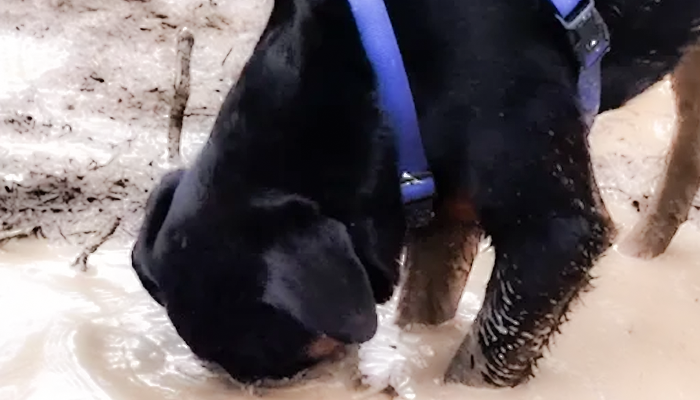
Canine Leptospirosis Vaccination Decisions: Endemic Spread and Risk-Based Choices
Leptospirosis a zoonotic bacterial disease that affects many species, including dogs. The infection can cause mild flu-like symptoms or can turn into a life-threatening disease.
Leptospirosis responds well to antibiotics—if treatment starts early. The real problem is recognizing it in time. Early symptoms often look like a mild flu—lethargy, poor appetite, vomiting—so diagnosis is frequently delayed. By then, the bacteria may have already caused kidney or liver injury, making recovery harder and outcomes less predictable.
Leptospira bacteria enter through the mouth, nose, eyes, or broken skin and quickly spread through the bloodstream.
Unlike many bacteria that live on sugars, these organisms feed on the building blocks of cell membranes, injuring tissues as they move through the body. This triggers inflammation of small blood vessels, making them leaky and disrupting blood flow.
Because the kidneys and liver filter large volumes of blood, many of the circulating bacteria end up there. As the organisms further multiply, they cause direct tissue damage, while the inflamed, leaky vessels reduce blood flow and worsen the injury.
Canine Leptospirosis Symptoms
Early stage
Early symptoms are mild and frustratingly generic:
- fever
- lethargy/depression/low energy
- decreased appetite (anorexia)
- vomiting
- diarrhea
- muscle or joint pain
- stiffness or reluctance to move
- shivering/trembling
- increased thirst and urination
- mild eye redness or discharge
These signs look like dozens of everyday illnesses—which is exactly why leptospirosis ↓ is often not suspected right away.
Late stage
As disease progresses, symptoms reflect organ involvement and damage.
Kidney involvement/failure (often the turning point)
- increased thirst
- increased urination
- progression to scant urine or no urine
- dehydration despite drinking
- nausea, vomiting, bad breath from toxin buildup
- sudden lethargy or weakness
When the kidneys fail, toxins build up quickly. Dogs can crash fast once urine output drops.
Liver involvement/failure
- jaundice (yellowing of eyes/gums/skin)
- loss of appetite
- vomiting or diarrhea
- abdominal discomfort
- dark urine or pale stools
The liver has many jobs, including detox, digestion, and clotting. When it’s inflamed or failing, toxins build up, appetite drops, and clotting factors fall.
Dogs at this stage look generally unwell—yellowed, nauseated, weak, and sick all over, not just tired.
Bleeding/clotting issues
- abnormal bleeding or bruising (low platelets)
- nosebleeds
- blood in urine or stool
- tiny red/purple spots on gums or belly (petechiae)
Bleeding can result both from liver failure (reduced clotting factor production) and from infection-related platelet loss or blood vessel inflammation.
End-stage presentation
- sudden weakness or collapse
- refusal to stand
- severe dehydration
- shock
- emergency hospitalization required
At this point, leptospirosis is life-threatening and requires immediate intensive care.


When to get your dog checked promptly, regardless of potential cause:
- fever (hot to the touch, shivering, or temperature over 39.5 °C / 103 °F)
- unusual lethargy or “just not themselves” behavior
- repeated vomiting or diarrhea
- loss of appetite for more than 24 hours
- increased thirst or urination
- stiff, painful, or reluctant movement
- yellowing of the eyes or gums (jaundice)
- dark urine or very little urine
- unexplained bruising or bleeding
- sudden weakness, collapse, or trouble breathing
If your dog may have been exposed to wildlife, puddles, ponds, or muddy water and shows any of these signs, mention that to your vet. It helps guide testing.
When it comes to leptospirosis—and many other illnesses—early treatment can make the difference between a simple recovery and a life-threatening emergency.
Canine Leptospirosis Diagnosis
If early treatment is the key, how early can you know something is wrong?
Most clinics can run basic bloodwork and urinalysis on the spot. Combined with your dog’s history—recent outdoor water exposure, wildlife contact, or local outbreaks—the results can quickly raise suspicion for leptospirosis. When that happens, vets typically start antibiotics right away while sending PCR or antibody tests to confirm the diagnosis.

Does this look like lepto?
Basic screening tests (fast, same day)—bloodwork and urinalysis
- checks kidney and liver values
- looks for dehydration, inflammation, and organ stress
- may show protein or blood in urine
These don’t tests don’t confirm leptospirosis, but if kidney or liver numbers are suddenly abnormal, it jumps high on the suspect list.

Is the bacteria here right now?
PCR test (blood or urine)
- detects leptospira DNA directly
- works best early in infection
- helps confirm active disease
This is the closest thing to an early “yes/no” answer.
Because time matters, many vets start antibiotics immediately while waiting for PCR results.

What exactly are we dealing with?
Antibody tests (MAT or SNAP)
- shows immune response to leptospira
- paired tests can show rising titers (active infection)
- may help identify the serovar
- helps distinguish vaccine response vs infection
These tests confirm the diagnosis and fill in the details.
- which serovar?
- vaccine or natural infection?
- records / reporting / insurance
My Canine Leptospirosis Vaccination Decision Then (Ten Years Back)
A vaccine against leptospirosis was classified as a non-core vaccine, meaning a dog might or might not have needed it depending on lifestyle and travel.
At the time, local surveillance indicated a diversity of leptospira serovars in the region—more than the available vaccine could cover. The vaccine also carried a relatively higher rate of adverse reactions, and vaccinated dogs could still get sick. Meanwhile, cases in our area were increasing.
Along with lifestyle and geography, these were the two main realities to weigh:
- infected dogs could die of leptospirosis if it isn’t caught early
- vaccinated dogs could still get sick
When we lived in southern Ontario, we vaccinated against leptospirosis annually. It had always been a source of emotional turmoil for me. It was an optional vaccine, which meant the decision rested squarely on me.
Which Is the Lesser of the Evils?
There were cases of dogs getting sick in our area, and our dogs spent a substantial amount of time outdoors—in the bush and on farmland, places shared with plenty of wildlife, live stock, and rodents.
That’s when we ended up vaccinating.
When we moved (French River, Ontario), I discussed with our new veterinarian whether we should continue.
According to her, the serovars found in local wildlife were not covered by the vaccine. This meant it didn’t make sense to vaccinate. Vaccination against one serovar wouldn’t necessarily protect against the others, so the benefit here was uncertain.
The Dilemma
I wasn’t completely sure whether I should feel relieved or concerned. Because I’m a bit of a worrier, I leaned toward concerned.
So we didn’t vaccinate. Given the local serovars, it didn’t seem to make much sense.
But our longtime vet raised another point: even if the local strains weren’t covered, what if we traveled?
At the time, we didn’t travel—or at least we didn’t plan to.
Then, at the end of April, we were heading south for a couple of weeks. And when you travel, you want to cover all your bases… right?
Honestly, it wouldn’t have crossed my mind if someone in my Facebook group hadn’t asked about the lepto vaccine. I answered the question—and suddenly it clicked. We were traveling after all.
And we were heading to an area where the vaccine-covered serovars were known to circulate.
To vaccinate or not to vaccinate?
Should we vaccinate then?
As much as I didn’t like the idea, my gut told me yes.
So I started calling around.
I phoned a local vet in the area where we’d be staying and asked about their situation and recommendations. They vaccinated dogs considered at risk—dogs spending time in the woods and other places frequented by wildlife. Which is exactly what our guys would be doing.
Then I checked with our vet back home. Turned out they were starting to vaccinate more dogs as well.
It seemed the serovar landscape had changed.
Here was the thing: every option had a catch.
Hard to catch early
Leptospirosis is treatable with antibiotics—if it’s caught early.
But early signs are vague and easy to miss. Testing only happens once something looks wrong, and by then organ damage may already be underway.
Higher reaction risk
The vaccine had a relatively higher rate of adverse reactions than most routine shots.
Serious reactions are uncommon and seen more often in small dogs, but the risk isn’t zero—and there’s never a problem… until there is.
Imperfect protection
Coverage isn’t complete and immunity may not last a full year.
Even vaccinated dogs can still get sick. A friend’s fully vaccinated dog developed lepto from a serovar included in the vaccine—and never left the yard.
In the end, I figured that vaccinating was the lesser of the evils after all.
We haven’t traveled since and I am not vaccinating. I am keeping updated on local serovars, though. If the status quo changes, so might my decision.
Related articles:
Your Dog And Leptospirosis
Angry Vet On Leptospirosis
Acute Kidney Failure in Dogs: Blitzen’s Tragic Story. What Would You Do If It Was Your Dog?
Further reading:
Leptospirosis in Dogs