Sago Palm Poisoning in Dogs: Piper’s Brush with Death
They are so pretty, aren’t they? Sago palms. Don’t let their looks deceive you–these things are severely toxic.
What is even worse, there is no easy way to diagnose Sago palm poisoning–there is no test for the toxin it contains. And there is no antidote for it either.
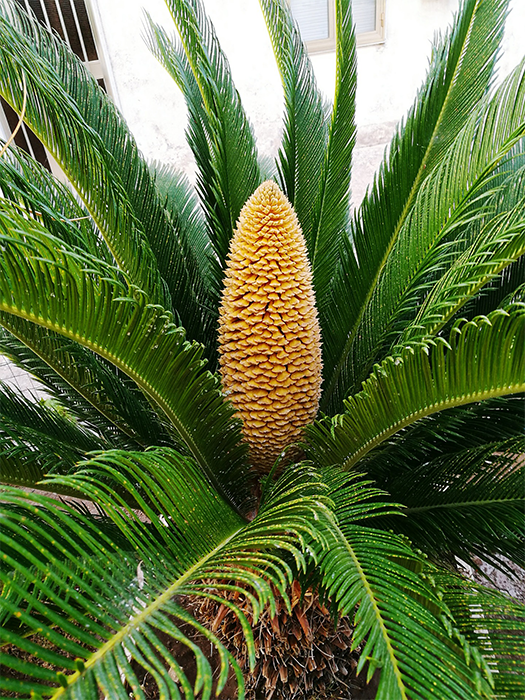
Unless you caught your dog munching on one of these things or its seeds, how would you even begin to suspect that Sago palm toxicity is behind your dog’s severe illness? I would hope that no dog owners have any of these killer beauties at home. But that doesn’t mean they are not present in your landscape, depending on where you live.

I’d like to imagine that veterinarians in places such as Florida would keep Sago palm poisoning on their differential diagnosis list with any patient with symptoms of severe illness, particularly with an indication of liver failure.
I see dogs with sago palm poisoning weekly and they usually only have a 10-20 percent chance of survival.”
Dr. Stephen Davis of the Niceville Emergency Veterinary clinic
While symptoms might start rather inconspicuously with vomiting and diarrhea, your dog can get much worse fast. It is also another good reason why considering the big picture is important.
Piper’s story
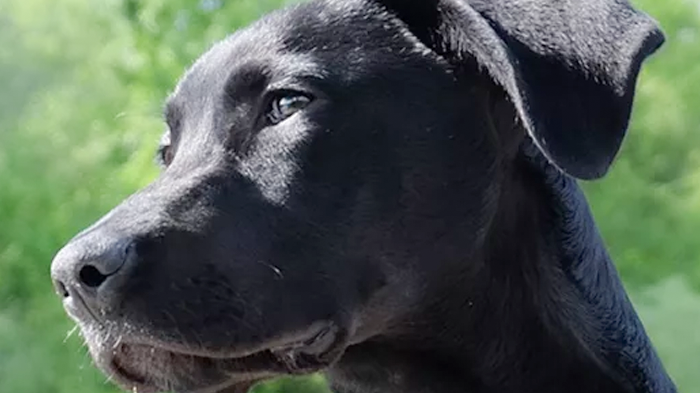
Piper is a happy, go-lucky, all-around Black Lab. She loves playing fetch and spending time outdoors.
One morning she woke up vomiting and having diarrhea. Piper’s mom did take her to a veterinarian. The vet figured it was a garden-variety GI upset or a “stomach bug.”
He gave Piper fluids and some medications which were expected to get her better.
However, not only that Piper wasn’t improving but stopped eating and was quite lethargic. Her mom sought a second opinion. There they ran a blood panel and took x-rays of Piper’s abdomen. They determined she was in liver failure but it wasn’t clear why. Piper received more fluids and was sent home.
During that night, Piper couldn’t stand and started convulsing. She was carried to the car and rushed to an emergency clinic where she was admitted for supportive treatment and further diagnostics. She continued to get worse and by early morning, Piper needed emergency surgery.
Once they got to take a look inside they learned that Piper’s GI tract was so inflamed it was virtually closed shut. It was then when they suspected Sago palm poisoning. At the complex where Piper lives, Sago palms were planted everywhere.
As there is no antidote, the only treatment is aggressive fluid therapy and liver support.
Piper is now slowly improving but will require 6 days of ICU treatment. Her veterinarian is confident that she should fully recover within about one month’s time. That’s about how long it took for Jasmine to recover from her hyperthermia horror too.
Related articles:
Seizures/Convulsions in Dogs: What Can Seizures Look Like and What Can Cause Them?
Original story:
Dog Owner Learns Hard Way about Sago Palm Poisoning