
Rottweiler Anesthesia Sensitivity: Navigating Sedation and Medication Challenges with Your Large-Breed Dog
Some dog breeds are genetically predisposed to drug sensitivities—such as herding breeds with MDR1 mutations or sighthounds with slow anesthetic metabolism.
Understanding Rottweiler anesthesia sensitivity starts with looking at what we already know about drug‐sensitive breeds.
The most common culprit is the MDR1 gene mutation, affecting herding breeds and mixed breeds including:
- Collies
- Australian Shepherds
- Miniature Australian Shepherds
- Long-haired Whippets
- Shetland Sheepdogs
- German Shepherds
- English Shepherds
- McNabs
- Silken Windhounds
- Border Collies
Further reading: Dog breeds commonly affected by MDR1 mutation
The MDR1 gene mutation impairs drug clearance, which leads to severe reactions such as neurological toxicity from common medications like :
- antiparasitics (ivermectin, milbemycin, moxidectin, selamectin)
- antidiarrheals (loperamide), sedatives (acepromazine, butorphanol)
- chemotherapeutics (doxorubicin, vincristine, vinblastine)
- and others (erythromycin, rifampin).
Sighthounds like Greyhounds, Rhodesian Ridgebacks, Borzois, Italian Greyhounds, Whippets, and Scottish Deerhounds often experience prolonged recovery from anesthetics (e.g., thiopental, propofol) due to CYP2B11 mutations, plus delayed bleeding risks.
Dobermans are hypersensitive to sulfonamides, which can trigger fever, skin issues, or organ damage due to a CYB5R3 mutation.
Rottweiler drug sensitivity
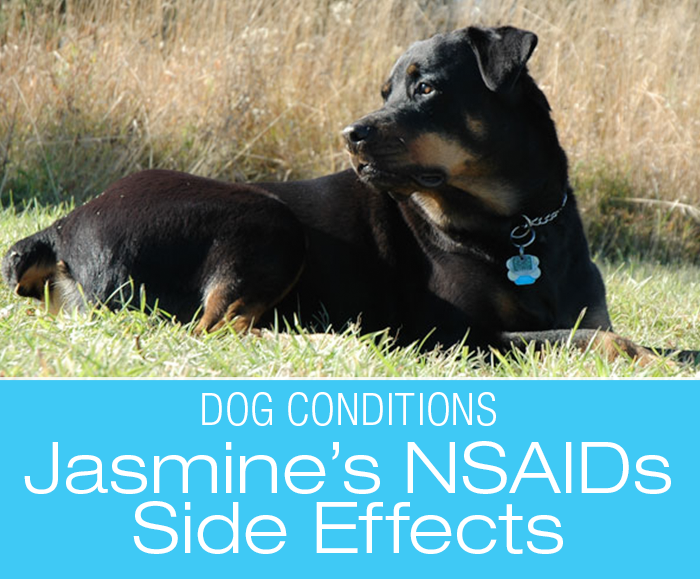
So where do Rottweilers fit? They’re not on any official genetic-risk lists, yet many Rottweiler parents (including us) have experienced unexpected or severe drug reactions.

The large breed factor
Rottweilers are powerhouse dogs, but their size changes the way their bodies handle medications.
Unlike smaller breeds, large-breed dogs like Rottweilers have a lower metabolic rate relative to their body weight. That means that drugs can linger longer or hit harder if dosed strictly by pounds. Dosing based on body weight alone often leads to an overdose effect.
Large and giant breeds have:
- slower metabolic rates relative to their body weight
- less surface area per pound, which affects heat loss and energy use
- drug clearance that does not scale with weight
This means dosing strictly “by the pound” can overshoot the ideal amount. Large-breed dogs often do better with lower doses calculated using body surface area (BSA) rather than weight alone.
Calculating dose by weight versus body surface area (BSA)
Most veterinary medications are dosed by body weight. That works fine for small and medium dogs—but large and giant breeds metabolize drugs differently. Metabolism doesn’t scale linearly with body weight. A 110-lb Rottweiler does not metabolize drugs twice as fast as a 55-lb dog. Instead, metabolic rate correlates more closely with body surface area (BSA).
This stems from how bodies manage heat, distribute energy, and physiological limits. Heat is a byproduct of metabolism. A large dog produces more heat but has relatively less surface area to dissipate it. Their metabolism adjusts to prevent overheating —metabolism in large dogs is slower.
BSA more accurately reflects:
- heat regulation
- organ workload
- metabolic limits
- drug clearance
But BSA isn’t perfect. Even with careful calculations, clean bloodwork, and a normal exam, adverse reactions can still occur. Different formulas produce different BSA values, and no formula accounts for each dog’s unique physiology.
Further reading: Comparison of body surface area-based and weight-based dosing format for oral prednisolone administration in small and large-breed dogs
Rottweiler anesthesia sensitivity: pharmacokinetic wild cards
Even perfect dosing can’t predict how a specific dog will absorb, distribute, metabolize, or eliminate a drug (ADME). ADME can be affected by:
- genetics
- age
- liver or kidney health
- hydration
- concurrent medications
- inflammation
- stress
With opioids and sedatives, the “safe window” between effective and toxic can be very narrow.
Sometimes, the reaction is an immune response—an unpredictable storm unrelated to dose or calculation.
Rottweilers and MDR1
Rottweilers are not known for MDR1 mutations. However:
- mixed-breed Rottweilers may inherit the mutation
- some studies list additional breeds beyond herding dogs
- MDR1 testing is inexpensive and easy
Further reading: Multi-drug Resistance (MDR1)

In our experience, opioids were the most problematic—they commonly produce adverse reactions in large breeds due to their common use in surgery and large-breed clearance issues.
Further reading: Opioids in Veterinary Anesthesia: A Summary
Medications most likely to cause Adverse Reactions in Rottweilers
| Drug Class | Examples | Why Rottweilers Are at Higher Risk | Potential Severe Adverse Reactions |
| Opioids | Buprenorphine, Morphine, Fentanyl | Slower metabolic clearance in large-breed dogs → drugs linger longer and accumulate | Respiratory depression, bradycardia, nausea/vomiting, prolonged sedation/ataxia, cyanosis, tachycardia, rare anaphylaxis, coma |
| Sedatives / Tranquilizers | Acepromazine | Large-breed sensitivity → exaggerated cardiovascular effects | Excessive sedation, hypotension/collapse, bradycardia, hypothermia, prolonged recovery |
| Injectable Anesthetics | Propofol | Slower liver processing → longer action even with conservative dosing | Apnea (respiratory arrest), hypotension, prolonged recovery, cardiac depression |
| Alpha-2 Agonists | Dexmedetomidine | High vagal tone in large breeds → strong bradycardia or rebound hypertension | Severe bradycardia, vomiting, rebound hypertension |
| Sulfonamide Antibiotics | Various sulfonamides | Hypersensitivity reactions (not Rottweiler-specific, but size and inflammation can amplify severity) | Fever, skin rashes, joint pain, organ damage (rare) |
Top safety tips for Rottweiler parents facing anesthesia
Work closely with your vet
Discuss the concern upfront. Insist on body surface area (BSA) calculation for your large-breed dog. Ask about alternatives or lower starting doses for opioids such as Buprenorphine.
Close monitoring
Insists that your Rottweiler is closely monitored post-op. Advocate for the use of monitoring tools, such as ECG and blood pressure checks.
Genetics
It won’t hurt to test for MDR1 sensitivities.
Our own challenges taught us to question, research, and aggressively advocate for our dogs.
Rottweiler anesthesia safety and underlying conditions
Never skim on your veterinarian having a complete medical history, pre-op exams and testing. Even with careful dosing and no obvious genetic red flags, underlying health issues can turn a routine procedure into a risky one.
| Heart issues | Liver or kidney problems (chronic disease or aging effects) | Other factors (e.g., joint issues or obesity): |
| These weaken the heart’s pumping, making drugs that drop blood pressure or slow rate (like acepromazine) hit harder—causing collapse or arrhythmias independently, as the heart can’t compensate. | These organs clear drugs—impaired function lets meds build up, prolonging effects like sedation from opioids, even if doses are low—leading to toxicity without other factors. | Chronic inflammation can heighten immune responses to drugs, worsening nausea or hypersensitivity. Further, obesity not only increases systemic inflammation but traps fat-soluble meds longer, extending recovery regardless of heart/liver status. |
Which is the lesser of the evil?
Avoiding anesthesia altogether isn’t realistic. Every choice—treating or not treating—comes with risk.
I have always been slow to go through with invasive or aggressive treatments. But I also agreed to many, being aware of the risks. Ask yourself and your vet these questions:
- Does the benefit outweigh the risk?
- What is the expected prognosis if the procedure goes well?
- Will this improve or preserve quality of life?
My rule is this—minimize risk and maximize benefit and quality of life. And hope for the best. Most of the time, things do work out.
Share your story, help others
Has your Rottweiler or large-breed dog suffered an adverse drug reaction? Share your story.

Related articles:
Adverse Drug Reactions in Dogs: Our Dogs’ History of Adverse Reactions to Medications
Our Own Emergency Vet Horror: Jasmine’s Brush with Death—Veterinary Mistakes, Misdiagnoses, and Miscommunication
Does Your Vet Listen to You? Cookie’s Post-Sedation Complications
A Primer on Anesthesia in Dogs: What Do You Need To Know About Anesthesia?
Pre-Anesthetic Blood Tests: Jack’s Test Reveals Kidney Failure
My Rottweiler is Going under Anesthesia: Anesthesia Considerations for Large-Breed Dogs