
Dog Poop Contents: What Is the Stuff in My Dog’s Poop? Should I See a Vet?
What else, other than color and consistency, should you look at when examining your dog’s stool?
What does your dog’s poop contents tell you about their health?
Mucus
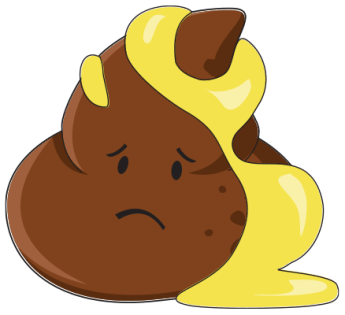
Healthy poop should not have any coating on it.
Sometimes you’ll find poop covered by a slimy substance – mucus. Mucus is produced in the intestine to lubricate and protect the gut lining, but it usually isn’t noticeable on feces.
Mucosal surfaces in the gut are part of the immune system, designed to detect and eliminate pathogenic organisms that may attempt to penetrate the gut lining.
When the large intestine isn’t happy and battling parasites, bacterial overgrowth, food allergy or intolerance, or even tumors (basically anything that irritates or inflames the gut wall), it can increase the production of mucus then becomes apparent on the stool. Even stress can cause mucus-coated stools.
One or two slimy stools don’t warrant rushing to a vet.
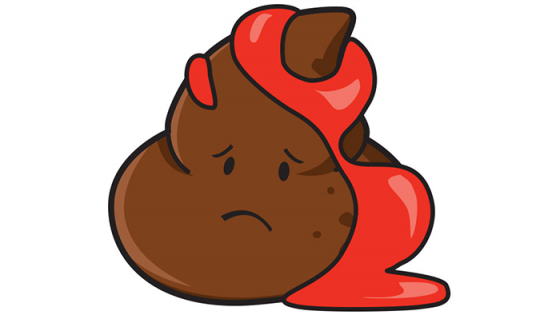
However, if this becomes a regular occurrence, or it comes with other symptoms such as diarrhea, vomiting, or abdominal pain, the situation in the gut has gotten out of control, and it’s essential to have your dog seen by a vet.
Further reading: Mucus in Dog Stool: What Is The Slime in My Dog’s Poop?
What hides within
Like with vomit, the contents of your dog’s stools can sometimes provide clues as to what may have upset your dog’s digestive system.
Pieces of plastic, toys, and other non-food items, tell you that your dog ate stuff that was not intended to be eaten, which could be behind the problem. One question left unanswered, however, is whether all the foreign material has passed or some remain within the digestive tract.
If you find bits of undigested food, it’s either a reflection on the food or your dog’s ability to digest what they eat.
Things like pieces of raw carrots can appear in the stools in more or less pristine shape. Dogs are not designed to digest chunks of raw vegetables. Once I tried giving my dog a freeze-dried raw food with chickpeas in it. Chickpeas are nutritious and seem like a good ingredient. However, the chickpea grit came out precisely the same as it went in. Clearly, there wasn’t much nutritional benefit to be gained from feeding something that goes through unchanged.
If the food that dogs should normally digest comes out untouched, you have a serious problem on your hands.
If your dog’s stools look greasy, you might be looking at a condition that prevents the intestinal tract from absorbing nutrients normally (malabsorption).
Smelly poop

Poop does not smell like roses. It’s supposed to be stinky. But some abnormal smells are an indication of a problem—often pointing to disruptions in digestion, gut flora, or absorption that shouldn’t be ignored, especially if paired with changes in consistency, frequency, or your dog’s behavior.
Food-like, or smelling of sour milk
Poop that smells food-like or of sour milk suggests rapid transit, malabsorption, and/or irritation of the bowel.
It can be a sign of overfeeding, particularly in puppies, where their developing systems process excess food inefficiently. This odor might arise from undigested nutrients fermenting in the gut, creating a fermented or dairy-like scent that’s noticeably off from the usual earthy stink.
Common triggers include sudden dietary changes, a meal that was too rich, or stress, which can accelerate food transit through the gut.
Track whether it recurs or comes with loose stools, vomiting, or reduced appetite—these combinations could hint at parasites, allergies, or enzyme deficiencies, warranting a veterinary check with a fecal sample to spot hidden culprits.
Putrid smell
A putrid odor suggests a possible intestinal infection, in which bacteria or viruses disrupt the normal breakdown, leading to a rotting or decay-like odor that’s intensely foul and hard to miss.
This can stem from ingesting spoiled food, contaminated water, or exposure to pathogens in parks/feces from other animals.
It often accompanies diarrhea or mucus, indicating inflammation in response to invaders. If the putrid odor lasts beyond one poop or includes fever, lethargy, or blood, don’t wait—get to the vet, as infections can dehydrate fast and spread.
Rancid smelling poop
If your dog’s stool smells rancid, it indicates improper food digestion. It’s often due to fats or proteins breaking down abnormally, creating an oily, spoiled-meat aroma.
This could be associated with pancreatic issues (such as insufficient enzymes), bile flow problems, or high-fat diets overwhelming the system, leading to greasy residues and poor nutrient uptake.

Polka Dog Poop
If your dog’s poop looks like somebody just had a birthday party in their belly, somebody did.. Cooties. In other words, parasites!
When to worry

One bad poop, no bad poop
Bad poops happen, particularly since dogs tend to eat all kinds of things, some of which are not meant to be eaten. If my dogs get a bad poop, I watch for other signs of a problem, such as
- changes in appetite
- increased drinking
- vomiting
- lethargy
- or anything else that seems off.
When they look and act fine, and the next poop is the way it should be, I file the event in the back of my mind—or include it in the health chart.
If bad poop develops into diarrhea, I give it 24 hours to resolve. If it doesn’t, or if it becomes severe or accompanied by other signs mentioned above, I see a vet.
Several things affect stool quality, and diet is definitely one of them. In an otherwise healthy dog, it can even be as simple as determining the right amount of dietary fiber for that individual. However, this can be quite a balancing act, particularly in large breed dogs. But before you make any assumptions and start playing with your dog’s diet, see a vet to ensure you KNOW what you’re dealing with.
Fecal samples
Don’t forget the sample.
Your vet can get more information from your dog’s poop than you ever could. Not only do they evaluate all the above aspects, but they can also further analyze it and take a detailed look at what’s in the poop that is hidden from view. (a microscopic fecal analysis)
If you have any concerns, bring a poop sample with you.
Just like with a urine sample, the fresher, the better.
As always, understanding what poop should or should not look like is essential to know when you should see a vet. If you notice consistent abnormalities, see your vet sooner rather than later. It might save you headaches down the road.
Related articles:
My Dog’s Poop: What Can You Learn from Your Dog’s Stool
Dog Poop Consistency
Dog Poop Color
Further reading:
Assessing Your Dog’s Poop for Signs of Health Problem
6 Things Commonly Found in Your Dog’s Poop
Such excellent info! No one wants to talk about 💩, but I have to say I’ve always been “poop inspector” with my dogs…(times 5!)…and many times by being vigilant, I picked up on GI issues early. Excellent info and post. Sharing with my FiveSibes audience!
I’m always a poop inspector for Henry. It really can tell you so much about how your dog is doing and if you need to see the vet. Great info!
Dog poop inspector sounds so much cooler–I might need to borrow that. We are particularly inspecting our new Rottie’s poops now, since we are transitioning her from “processed corn” diet to proper food.
I remember reading your first post about this and now each time Nili poops I check to make sure it is all good LOL. Thanks for the great post
Good job making sure your pup’s poop are looking good. You can catch a lot of things early doing that.
This is such good information to know – the poop can really tell you a lot about dog health.
Very much so. With our new girl, transitioning her to real food, we keep monitoring her poops very closely. Imagine, originally her poops were solid but yellow.
Now, even though soft every now and then, good and brown. We are taking the transition slowly and carefully. She certainly does enjoy real food stuff. Except the first introduction to raw mix which she thought was better for rolling in than eating. LOL
What come out of the dog’s body says a lot about what goes on in the dog’s body. We are especially paying close attention now, since we’re transitioning our new Rottie to real food.
Important information to know. Even better to know this in advance so we can react immediately when something is off.
Yeah, fewer surprises and hair on fire moments are always better 🙂
Not a topic of conversation you typically want to have, but when you have a dog poop becomes fascinating. Thanks for explaining how much information it can reveal, what to look for and what it means.
Poop talk comes with the territory, doesn’t it? Especially when one has a dog who does or had issues in the past. Having had a dog with IBD, poop was a daily subject.