Canine Idiopathic Renal Hematuria: Sclerotherapy—Lucy’s Unique Life-Saving Procedure
If your dog starts peeing blood, it typically involves two potential scenarios—damage to the tissues of the urinary tract or conditions that cause abnormal bleeding.
The most common cause of blood in your dog’s urine (hematuria) are urinary tract infections (UTIs) or urinary tract stones. Other potential causes include:
- trauma
- non-infectious inflammation
- cancer
Further information: Blood in the Urine in Dogs
But what if it is none of those things?
Canine Idiopathic Renal Hematuria (IRH)
IRH refers to a situation when your dog’s one or both kidneys start bleeding for no reason that can be identified. That is, obviously, potentially a life-threatening situation because your dog can lose substantial amounts of blood and become anemic.
Because the cause is not known, the only treatment has been removal of the affected kidney.

Lucy’s story
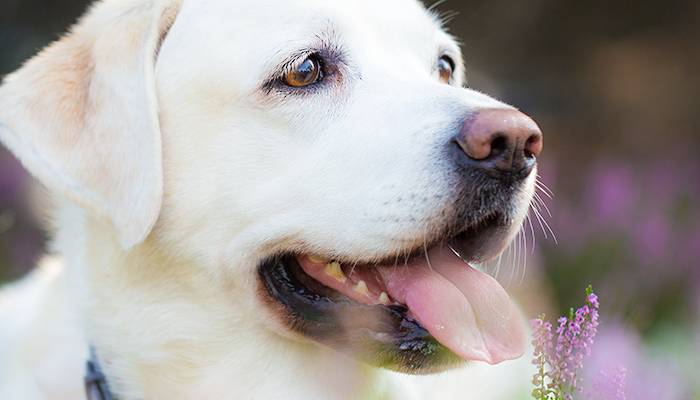
Lucy was a nine-year-old Labrador crossbreed. She was happy and healthy, enjoying her life. One day, though, Lucy started peeing blood. Blood in urine was the only symptom Lucy had.
Her mom took Lucy to a veterinarian at once. Following the standard protocol, Lucy’s veterinarian tested for urinary tract infection (UTI) and bladder stones. However, all results came back negative. There was nothing apparently wrong with Lucy, but she kept peeing blood. Her veterinarian referred Lucy to a university hospital.
Lucy’s diagnosis
After further diagnostics, the veterinary specialist diagnosed Lucy with idiopathic renal hematuria (IRH). That was scary news for Lucy’s mom—a dog can live with one kidney, but it’s a frightening surgery, and what if something happened to the other kidney too?
Further, if one kidney develops IRH, the other kidney follows in about a third of the affected dogs.
Clearly, Lucy cannot survive continuous bleeding. But isn’t there another treatment option?
The treatment decision
At that time, a new treatment made its debut in the treatment of this condition—sclerotherapy. Sclerotherapy is a minimally-invasive procedure that involves chemical cauterization of the leaking blood vessels.
Lucy’s recovery
Lucy’s kidney stopped bleeding as soon as the procedure was finished. Lucy recovered well, and her urine turned back to normal, yellow color. There was no more blood in Lucy’s pee.
In closing
Idiopathic renal hematuria (IRH) in dogs has often gone misdiagnosed. It seems to affect particularly young, large breed dogs. Even when the veterinarian diagnosed the condition, the standard treatment was invasive and risky—sclerotherapy might be the answer.
Source story:
New Minimally Invasive Procedure Saves Dog’s Life—and Her Kidney
Related articles:
Canine Hematuria: Blood in Urine. Why Is There Blood in My Dog’s Pee?
Kidney Disease in Dogs – Say What? Canine Kidneys and the Associated Verbiage
Kidney Failure in Dogs: What Happens In The Dog’s Body When The Kidneys Fail To Function Properly?
Further reading:
Endoscopic-Guided Sclerotherapy for Renal-Sparing Treatment of Idiopathic Renal Hematuria in Dogs
New Minimally Invasive Procedure Saves Sophie’s Life