
Antibiotics for Dogs: Did You Ever Wonder How Antibiotics Work?
Antibiotics are wonderful but narrowly specific tools in the fight against disease.
An Antibiotic’s (Anti)Life Vision
The goal of an antibiotic is to rid the body of disease-causing bacteria without causing harm to the animal.
Not All Bacteria are Mean
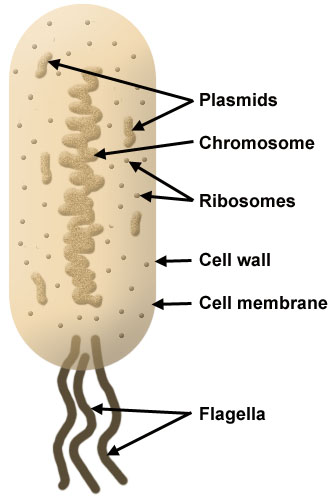
Bacteria are single-celled living organisms with a cell wall and without a nucleus. Most bacteria are harmless, and some are even beneficial to animals. Trouble starts when disease-causing bacteria invade our dogs’ bodies and proliferate at a too overwhelming rate for the immune system to handle alone.
Bacteria Have Achilles’ Heels
Antibiotics tend to target unique components of bacteria, for example, their cell walls.
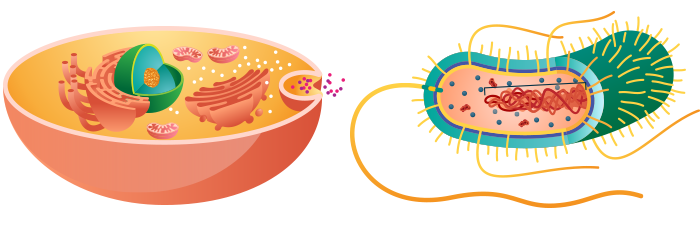
Animal cells do not have cell walls and thus cell wall-destroying antibiotics don’t harm them.
Note:
All cells have a cell membrane. However, only some cells have cell walls.
Cell membranes contain and protect the cell content. It consists of a bilipid layer and proteins. It is flexible and allows stuff to travel in and out of the cells.
Cell walls are a rigid covering that goes on top of the cell membrane, such as in plants. In plants, the cell membrane consists of cellulose, and n bacteria and fungi of chitin, a derivative of glucose.
Further information: Cell Wall Vs. Cell Membrane
Specific Mechanisms of Antibiotics Commonly Used in Small Animal Medicine
Penicillin and cephalexin antibiotics interfere with the production of bacterial cell walls. The cell walls become unstable (somewhat like a soap bubble about to pop) and eventually burst.
Lincosamide, aminoglycoside, and tetracycline antibiotics inhibit one of the two subunits of bacterial ribosomes. Proteins cannot be synthesized without ribosomes, and the bacteria are either unable to replicate, or they die.
Metronidazole is taken up by bacteria and is changed to a substance that prevents DNA synthesis, causing the bacteria to die.
Fluoroquinolones prevent bacterial DNA supercoiling and synthesis.
Sulfonamides and trimethoprim interfere with different steps of bacterial folic acid synthesis. Animals are able to obtain folic acid from their diet, but bacteria must make their own. Without folic acid, bacteria cannot survive.
Does an antibiotic kill ALL bacteria?
Antibiotics kill certain types of bacteria, based on:
- whether the bacteria are gram-positive or gram-negative
- whether the bacteria are aerobic (needing oxygen) or anaerobic (not needing oxygen)
- specific bacteria species
- specific individual bacteria
- affected body system
- resulting disease
- how fast/actively the bacteria are multiplying
- what the individual animal’s reaction, including the strength of their immune system reaction, is
- how the individual antibiotic and bacteria and host interact
Should your veterinarian prescribe antibiotics for suspected viral infections “just in case?”
No! Antibiotics have no effect against viruses.
How do antibiotics work with the immune system?
The antibiotics kill or stop many of the bacteria while the immune system kills bacteria that the antibiotics have stopped, and also kills bacteria the antibiotics have missed.
Meanwhile, the remaining bacteria are multiplying. At each “round” (that is, a dose of antibiotics) the antibiotics strike another blow against the bacteria, ideally gaining a bit more ground each time.
Can I stop antibiotics when my dog feels better or his or her clinical signs have improved?
No! The goal of the antibiotic is to bring the bacterial numbers low enough that the immune system can finish them off. Your veterinarian will have given you the number of doses that typically reach this goal.
Discontinuing antibiotic treatment before bacterial numbers are low enough for the immune system to finish off, only the bacteria that have “outsmarted” both the antibiotic and the immune system so far will be left to multiply. This can lead to the next generation of bacteria to be stronger and “meaner” than ever. This contributes to antibiotic resistance and is unsafe for your dog.
Are You Listening, Me?
I prescribe antibiotics more than any other drug class, and I love having such a great arsenal of medication available.
Reviewing how antibiotics work provides a good reminder of why choosing an appropriate antibiotic, giving it at the appropriate dose, and appropriate duration is significant! On behalf of the entire veterinary and medical communities, I will say that we need to hear this as much as anyone!