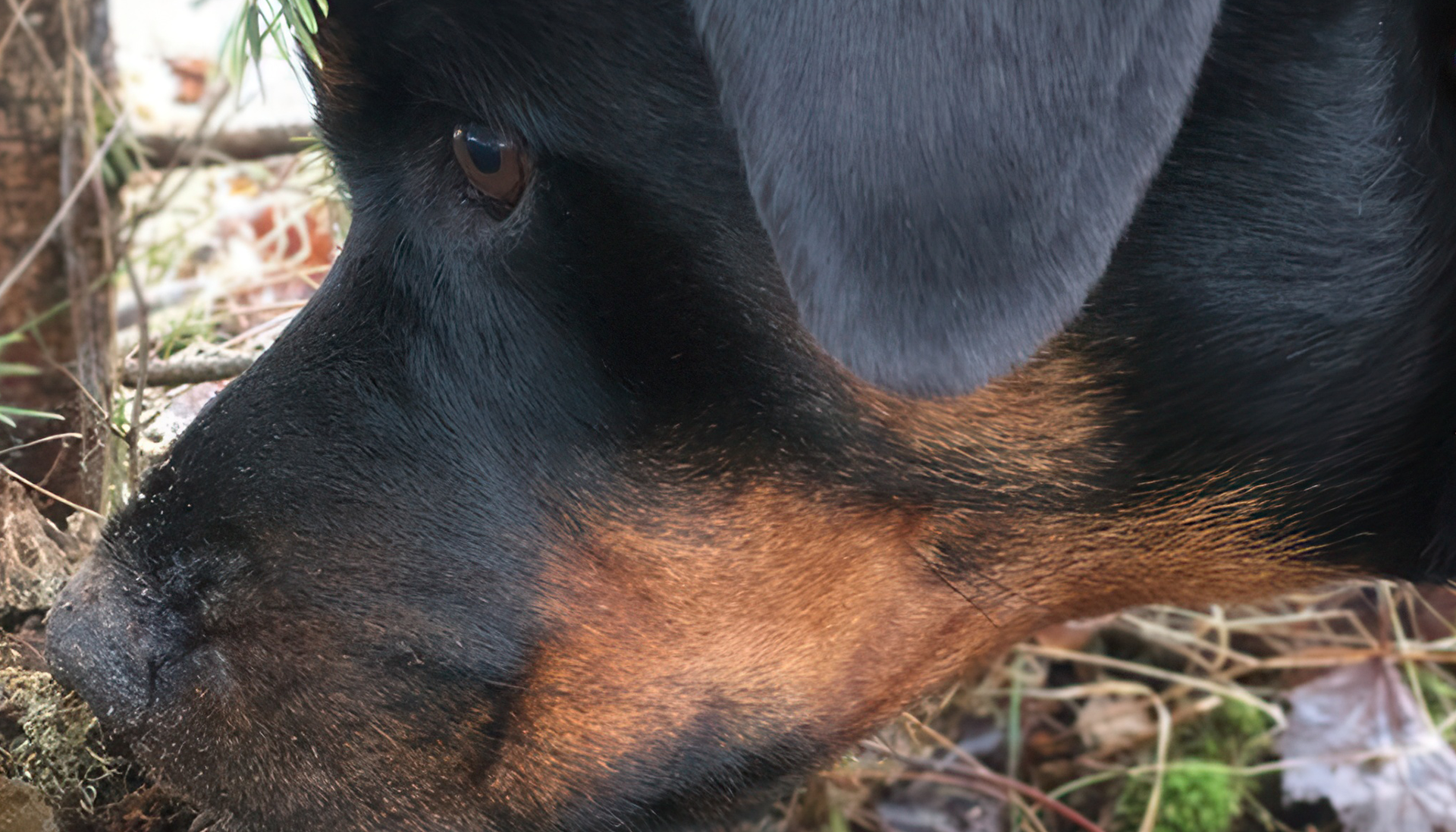
Dog Splenic Tumors: From a Broken Toenail to Splenectomy

Dog Splenic Tumors: From a Broken Toenail to Splenectomy

Splenic tumors in dogs are one of the trickier issues to catch early. Cookie’s story illustrates how a complicated health saga saved her life. This was the second time that horrible things seemed to have to happen to save our dog’s life. If the story played out any other way, would we have discovered Cookie’s splenic tumor on time? Why…

Continue reading …

Seeking a Second Opinion for Your Dog

Seeking a Second Opinion for Your Dog

Choosing the right veterinarian and knowing when to seek a second opinion can be the difference between sickness and health, and sometimes the life and death of your dog. If there is a single take-home point of my blog, it is this—your dog’s health is ultimately in your hands. Making the right decisions for your dog is your responsibility, and…

Continue reading …

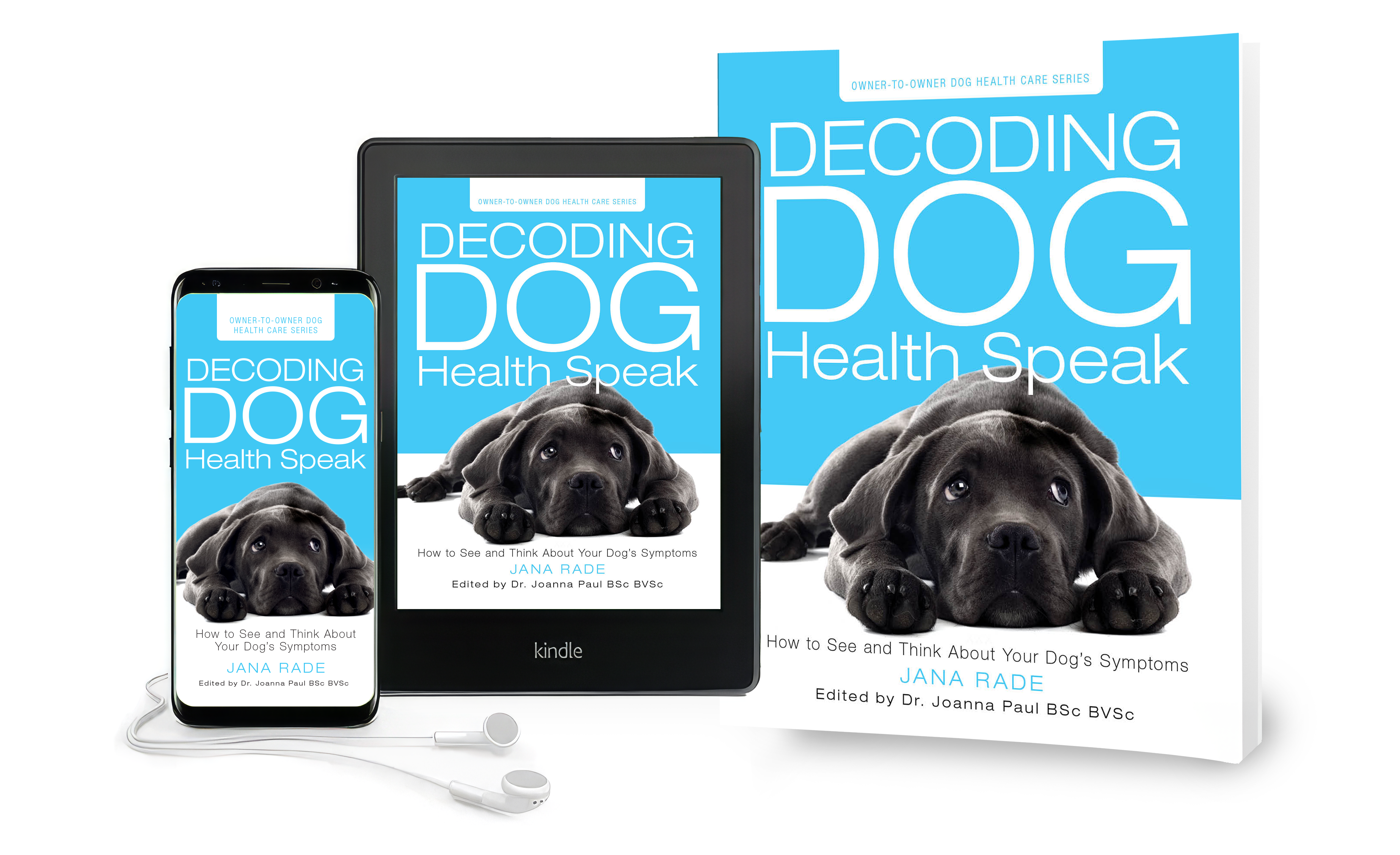
New Release! Decoding Dog Health Speak

New Release! Decoding Dog Health Speak

Practical. Accessible. Story-driven. From the award-winning author of Symptoms to Watch for in Your Dog—recipient of the Maxwell Award from the Dog Writers Association of America and the Morris Animal Foundation Canine Health Award—comes the second volume in the Owner-to-Owner Dog Health Care series: Decoding Dog Health Speak: How to See and Think About Your Dog’s Symptoms—Illustrated by Real-Life Stories…

Continue reading …

Idiopathic Vestibular Disease in Dogs: Phoenix’s Story

Idiopathic Vestibular Disease in Dogs: Phoenix’s Story

A few things are as scary as watching your dog unable to walk or even stand. Some terrible conditions can be behind your dog ending up in such a sorry state. One potential reason looks just as horrifying but not dangerous to your dog–vestibular disease. Ataxia caused by idiopathic vestibular disease is due to a disturbance in the balance center. But,…

Continue reading …

A Primer on False Pregnancy in Dogs

A Primer on False Pregnancy in Dogs

False pregnancy is a common problem in dogs.  During the estrus or “heat” cycle: in an intact female dog The hormone changes ensure willingness to accept a male for breeding.  Toward the end of the heat cycle, progesterone levels increase, preparing the uterus for an anticipated pregnancy. Even though they didn’t mate, female dogs sometimes act like they’re pregnant even…

Continue reading …