
Brown Urine in Dogs: Why Is My Dog’s Pee Dark/Brown? Causes, Symptoms, and Is It an Emergency

Brown urine in dogs is an emergency.
One of the things I’ll never forget is Jasmine’s drug-induced hyperthermia horror and all that followed. It was the day we almost killed our dog. And it was the day almost killing our dog likely saved her life. If you’re interested, you can read the whole story here.
I took in on instinct. I felt that brown urine means trouble—a serious underlying issue. Would I have caught it outside of the overall context? I would now.

When Jasmine was released to home care, she couldn’t walk or get up on her own and could barely stand when helped. Things were supposed to improve by the following day, but they did not. With a lot of support, she barely made it out to potty, and the stream of urine that came out was brown. Back then, I had no idea what would make urine brown, but I knew it was a bad thing.

This had emergency written all over it
We were told things should improve, but they did not. And now Jasmine was peeing brown on top of it. Since this was Saturday morning, our only option was to rush her to an emergency hospital. There we were told that Jasmine had either liver failure, kidney failure, or both and that her intestine was likely perforated. They recommended euthanasia. All that for a bargain price of $750, not counting the proposed euthanasia.
Fortunately for Jasmine, at least half of that sounded wrong to me. So we sought a second opinion at a teaching hospital, and the diagnosis was mostly wrong, and Jasmine recovered.
What brought this memory back was a post on my support group featuring pee that looked just like Jasmine’s did then.
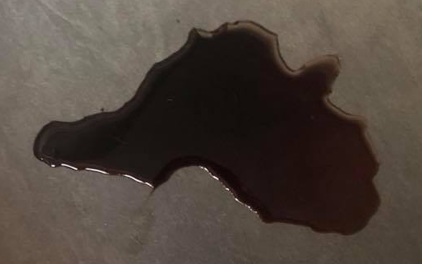
We sent her to the emergency but haven’t received an update on the pup. I hope she’s okay.
Worried about your dog’s urine color?

Try our FREE Is This and Emergency? Symptom Checker tool to expand on details like color and accompanying signs for a quick urgency assessment and vet recommendations.
What would make pee dark?
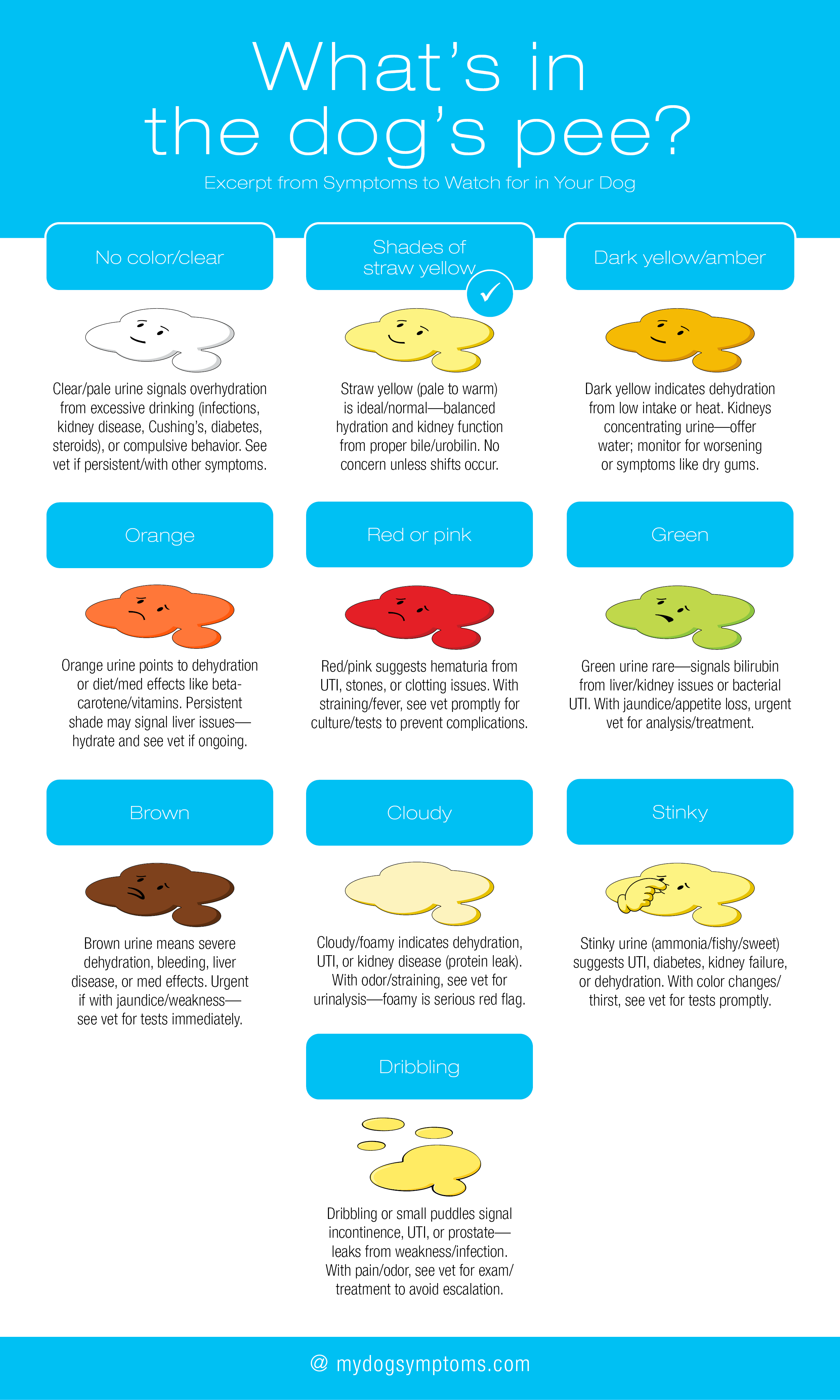
Normal urine should be shades of yellow—light to dark yellow, depending on how hydrated the dog is. In other words, the more concentrated the pee is, the darker yellow it will be. While that is not an emergency, at the very least, it’s telling you that your dog is dehydrated, which is not good for them long-term. Consistently pale or dark urine does warrant further action, particularly when it comes with other concerning signs such as poor appetite, lethargy, vomiting, diarrhea, or excessive thirst. …
All that is different from urine which is actually brown in color.
Just look at the photo above. Does that not look like an emergency to you? It does to me.
In Jasmine’s case, hyperthermia trashed her blood, liver, and muscles. It took a week in an ICU and a month total for her to recover fully.
What makes pee brown?
- the presence of a protein that is released by damaged muscle tissue [myoglobin]. This is called rhabdomyolysis and is most commonly seen after severe exertion (e.g., seizures), hyperthermia, or as a result of some snake bites.
- a high content of bilirubin, a byproduct of the breakdown of red blood cells secreted by the liver. A dog with a lot of bilirubin in the urine will also be jaundiced.
- liver disease or liver failure
- the presence of old blood in the urinary tract, be it from kidney or bladder infection, or stones in the kidneys or bladder
- cancer in the urinary tract
If your dog’s pee is brown in color, seek veterinary care immediately.
If you can bring a urine sample with you, this may be helpful.
Breed-Specific Notes on Brown Urine in Dogs
Certain breeds are more susceptible to conditions causing brown urine due to genetic predispositions, lifestyle factors, or anatomical traits. While any dog can experience this symptom, recognizing breed risks can help with early monitoring and prevention. Always consult a vet for breed-tailored advice, as brown urine often signals serious issues like muscle damage (myoglobinuria), red blood cell breakdown (hemoglobinuria), or liver problems (bilirubinuria).
Athletic or Working Breeds
(e.g., Greyhounds, Border Collies)
These breeds are prone to exertional rhabdomyolysis from intense activity or heatstroke, releasing myoglobin into the urine and turning it brown. These high-energy dogs may show this after overexertion—prevent by gradual training, hydration, and avoiding extreme weather.
Breeds with Liver Disorders
(e.g., Doberman Pinschers, Cocker Spaniels, West Highland White Terriers, Bedlington Terriers)
Genetic conditions like copper storage disease or chronic hepatitis can lead to bilirubin buildup, causing brown/orange urine. Regular liver function tests are key for these breeds; symptoms may include jaundice or lethargy.
Small Breeds or Senior Dogs
(e.g., Chihuahuas, Yorkies)
More vulnerable to dehydration or urinary tract issues exacerbating brown urine from concentrated pigments or infections. Their smaller size means faster escalation—monitor water intake and urine output closely.
If your dog’s breed falls into these categories and shows brown urine, seek immediate vet care, as it could indicate kidney or liver strain.
Brown Urine in Dogs FAQ
Myoglobin from muscle damage (e.g., seizures, heatstroke), bilirubin from RBC breakdown (liver issues), old blood in the urinary tract (infections/stones), or cancer—always an emergency.
Yes, unlike dark yellow (dehydration), brown indicates potential organ damage—seek vet care immediately, even without other symptoms.
Vet urinalysis confirms; brown from myoglobin often follows exertion, while blood may show clots/red tinge.
Could be rhabdomyolysis—monitor for weakness/vomiting; rest and hydrate, but vet ASAP.
Rarely directly, but dehydration from poor diet darkens urine; liver toxins (e.g., grapes) can lead to bilirubin buildup.
If brown, catch mid-stream in a clean container and refrigerate—bring to vet for testing.
Related articles:
Canine Hematuria: Blood in Urine. Why Is There Blood in My Dog’s Pee?
Further reading:
Why You Should Watch Your Dog Pee
As always, very important info. My Epi-dog was on meds and always had pee the color of dark yellow-orange or rust, and as Wolfie got older I noticed dark and knew he needed more water. Our one Husky Bandit always drank, and she always had almost clear pee, as it should be! But brown??? Yes, that indicates something is up. What a bill for no help and a recommendation to PTS!!! I will be sharing!
WTF? (Sorry it’s a genuine exclamation of horror here). Euthanasia because they couldn’t find out what was wrong all for $750. Jeeeeeez.
I am grateful Jasmine has a Mom like you who knows her own mind and refused the diagnosis. Thank you too for explaining what might be happening. This makes a huge difference to a dog parent especially when they are worried or scared.
Explain, understand, Get to The Vet!!!
Oh how awful, poor Jasmine! Good thing you had the wherewithal to seek a second opinion. I didn’t even think urine could be brown!
Brown or dark pee would be scary. I’m so glad you got a second opinion for Jasmine. Great instincts!
I know a dark colored pee would sending me racing to the vet too. I remember my horse waited until I got home from work. He was pacing. Obviously sick. He looked at me, peed, which was all bright red (also very scary). Then he went over to his barn and laid down and was gone. The vet said it was most likely a huge stone that ruptured his bladder kidneys and bladder. Sweet horse. I had about 24 years with him, but it still wasn’t long enough. Those are scary moment. And moments I hope to never relive or wish on anyone else.
Great article explaining what brown or dark pee could be with your dog. I’m sharing with all my dog parents.
Thanks for this interesting information, always good to know