


What constitutes excessive drooling/hypersalivation? When should you worry about your dog’s production of saliva?
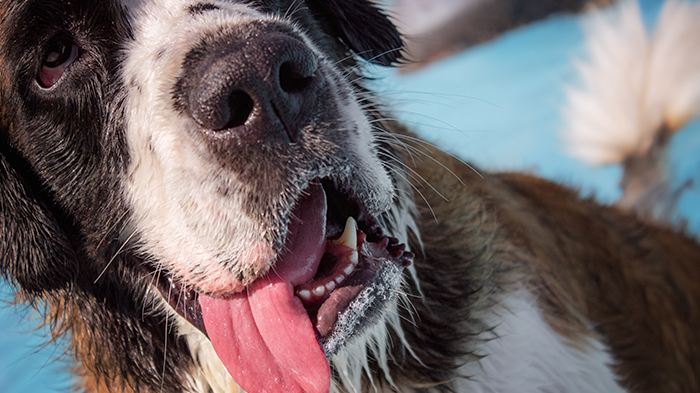
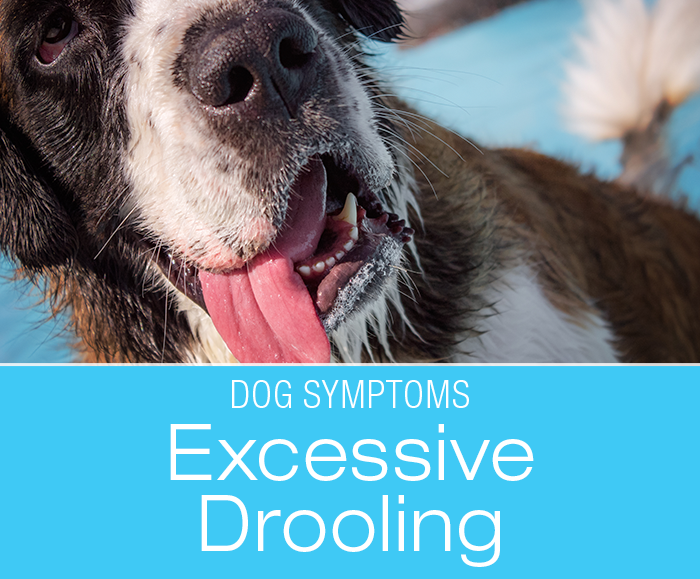
Dogs drool; there is no way around it. Some will drool more, some less, depending on the breed and other factors. For example, if you have a Saint Bernard or a Newfoundland, you are used to drowning in excess saliva—with these dog breeds, a considerable amount of drooling is normal.
(From our observation also on the gender—girl dogs don’t drool! All boy dogs we have had drooled a lot. JD’s waterworks could turn a desert into a lush garden!)

Saliva is a good thing
Not necessarily all over your Sunday outfit, but it certainly has an essential function in your dog’s mouth.
Saliva is an enzyme-rich liquid that lubricates food and starts the digestive process. (That’s why most of the waterworks, as in JD’s case, get turned on in anticipation of a meal.) Saliva also contains some other cool stuff, such as antibacterial agents.
The glands in your dog’s mouth produce saliva all the time. Typically, it just gets swallowed. One of the jobs of saliva is to carry away any food debris and bacteria from the teeth.
Saliva also is part of the dogs’ cooling mechanism. When your dog pants, saliva evaporates, carrying away the excess heat.
Lack of saliva
Drool helps prevent dental disease and infections in the mouth. But, if your dog’s mouth was dry–which can happen–all hell can break loose. If you think that too much drool sucks, dry mouth can be devastating for your dog.
While dehydration can be the reason behind your dog’s dry mouth, it is easy to fix. However, dehydration is not the only potential cause. Some medications can cause it, and you might be able to switch to a different one. But some causes are not as easy to treat. Dry mouth can be associated with:
- immune-mediated disease
- radiation treatment
- nerve damage
A dog with a severely dry mouth will not only have thick saliva but can suffer complications such as:
- bad breath
- difficulty swallowing
- cracked tongue and mucous membranes
- inflammation in the mouth
- severe dental disease
Source: petMD
Do you have a better appreciation for your dog’s drool yet?
How much is too much?
Excessive doesn’t mean more than you’d like, but more than would be expected for your dog.
Too little saliva is bad. But, how much is just enough, and what is excessive? And what is the harm in too much drooling? Well, I suppose a dog can drool enough to get dehydrated. The importance of excessive salivation, however, lies in the cause.
There are two potential reasons behind your dog’s excessive drooling.
- Your dog produces a normal amount of saliva but it dribbles from the mouth. This can be caused either by an anatomic abnormality or inability to swallow normally
- Something stimulates overproduction of saliva
Normally, increased production of saliva is stimulated by:
- the presence or anticipation of food
- excitement
- something yucky/foul-tasting
Health problems that result in excessive drooling
The list of issues that can explain why your dog started drooling excessively is likely to surprise you. It includes:
- disease in the mouth or pharynx
- salivary gland disease
- metabolic disorders
- gastrointestinal disease
- organ dysfunction (liver or kidney disease)
- neurological disorders
- hyperthermia
- infections
- toxins
- certain medications
- tumors
- fear/anxiety
This is not a complete list! For a full list, see petMD.
Commonly, excessive drooling is associated with a problem in the mouth.
Foreign objects
Foreign bodies in the mouth include anything that got stuck in the gums, tongue, the roof of the mouth, between the teeth, or in the esophagus. Use your best judgment whether you can remove it safely. When in doubt, always err on the side of caution and call your veterinarian. If you suspect a foreign body, don’t wait to address it, though. These things can lead to severe infections and tissue damage.
Note: The roof of the mouth gets wider towards the back. Commonly, things like pieces of bone or sticks can be stuck across the roof of the mouth. You cannot remove them by pulling them forward. The only way is to push them further towards the back of the mouth first.
Injuries
Look for bleeding, wounds, ulcers, and other deviations from normal appearance.
Ingestion of caustic, corrosive or irritant material
Typically associated signs include red or discolored oral tissues and pain.
Dental problems
Periodontal disease, tooth root abscesses, fractured teeth, and oral infections or inflammation can all lead to excessive drooling and pain.
Tumors
Look for any lumps, bumps, or any tissue that looks strange. These symptoms should be taken seriously.
While foreign objects and injuries might be a judgment call, always see your veterinarian if you suspect dental disease or find any strange masses or pigmentation in your dog’s mouth. Warning signs of a potential emergency include:
- pain
- an inability to swallow
- difficulty breathing
- vomiting
- lethargy,
- foul odor from the mouth
- weakness
- extreme agitation
- profuse drooling that lasts for more than a few hours
Problems outside the dog’s mouth
Excessive drooling might result from a problem not related to the mouth. For example, Jasmine (I know I said that girl dogs don’t drool) will drool when her stomach is upset. Nausea or motion sickness causes drooling, as can neurologic diseases impair a dog’s swallowing ability.
Excessive drooling can be one of the signs of heatstroke, though in such cases, you’re likely to get tipped off by excessive panting first. Please get familiar with the early symptoms of heatstroke; it is a life-threatening situation.
Dogs suffering from gastric dilatation and volvulus (GDV) tend to drool a lot because the entrance to the stomach is twisted shut. If your dog is drooling, trying to vomit, but little or nothing comes up, has a distended abdomen, and is in pain, get him to the veterinarian IMMEDIATELY.
Pain or anxiety of any origin can result in excessive drooling.
It is essential to pay attention to your dog. Know what is normal. Don’t dismiss anything out of the ordinary. Symptoms usually like company, so look for other signs, such as:
- loss of appetite
- bad breath
- fever
- changes in behavior
- difficulty swallowing
- regurgitation
- vomiting
Related articles:
Symptoms To Watch For In Your Dog: Bad Breath (Halitosis)
Related stories:
Stick Injuries in Dogs: Watson’s Story
Further reading:
Excessive Production of Saliva in Dogs