


Healthy dog poop is typically brown.
What makes poop brown is bile—fluid from the gallbladder. Bile aids in the digestion and absorption of fats and fat-soluble vitamins. It also helps eliminate certain waste products from the body.
There can be some variation in color depending on what your dog ate. You might notice that particularly when you’re feeding a variety of foods.
Some commercial diets will make dogs produce what you would otherwise consider abnormal stool. For example, a prescription soy-based hydrolyzed diet can make formed feces extremely light. However, if your dog is consistently on one type of food, their poop should reflect that.

Unless your dog just ate a box of crayons—yes, it happens—poop color other than shades of brown is a red flag.
When the poop is not brown
Color changes usually go hand in hand with changes in consistency. In other words, if your dog’s stool has a weird color, it is also likely to be runny.
Pale or clay-colored

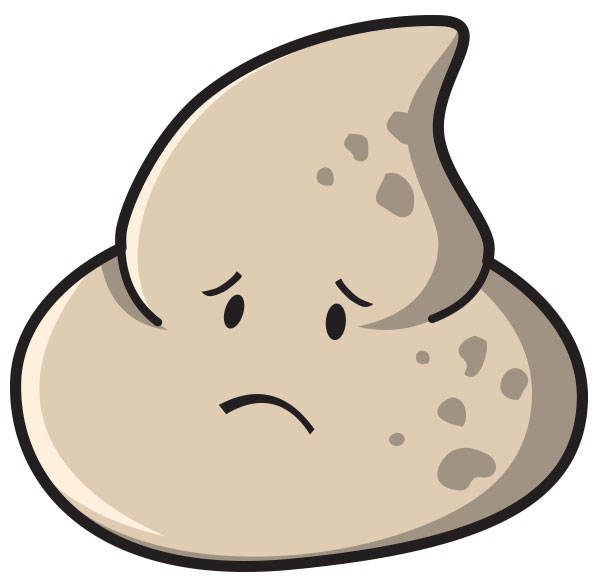
Pale or clay-colored stools (acholia) can develop due to gallbladder, liver, or pancreatic disease.
For example, exocrine pancreatic insufficiency (EPI) may result in clay-colored diarrhea, caused by the pancreas being unable to produce the enzymes needed to digest food, and inflammation and swelling blocking the passage of bile. In addition, pale stools can indicate a lack of bile production or flow, suggesting liver and/or gallbladder disease.
Further reading: Weight Loss, Exocrine Pancreatic Insufficiency (Maldigestion): My dog is Always Hungry and Losing Weight
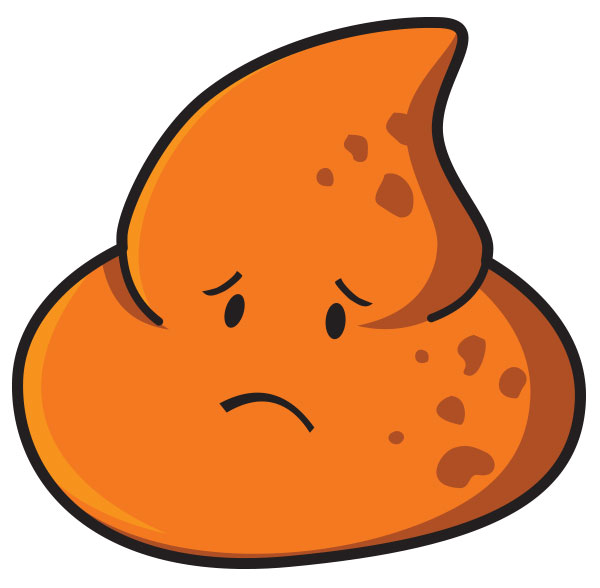
You might observe orange stool when:
- your dog has biliary system blockage
- blood cells are rupturing within the circulatory system.
Further reading: Orange Stool in a Dog: Sunny’s Orange Stools
Yellow or greenish
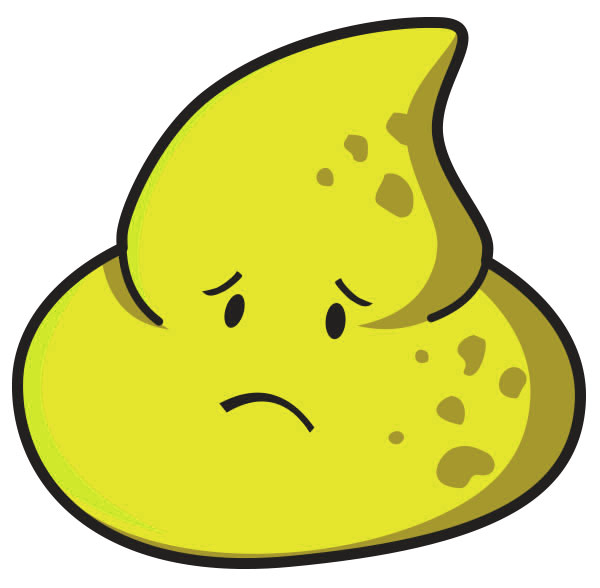
You need to distinguish between mucus in the stool and actual stool color. Mucus can be r yellow or greenish, but it is a different situation.
Further reading: Mucus in Dog Stool
Yellow or greenish stools are sometimes produced when the material passes through the intestinal tract more quickly than normal. It can be seen with Giardia, intestinal parasites or infections, and many other conditions.

Black, tarry stool (melena) signifies bleeding in the upper digestive tract or respiratory tract (with the blood being coughed up and swallowed). The black, tarry appearance is due to the presence of digested blood.
Potential causes range from:
- GI ulcers
- trauma
- foreign bodies
- infections
- tumors
- blood clotting disorders
- kidney failure,
- and more.
Further reading: Is Tarry Stool an Emergency? Melena in Dogs
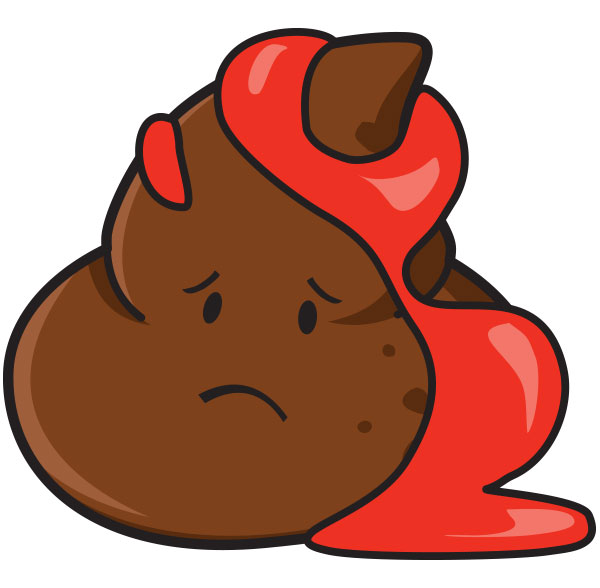
Bright red streaks/bloody stool (hematochezia) indicate bleeding in the lower GI tract and can be caused by enteritis (inflammation or infection of the small intestine), colitis (inflammation or infection of the colon/large intestine), or conditions affecting the anus or anal glands.
Jasmine sometimes got blood in her stool when her IBD was acting up. Enteritis and colitis can be caused by IBD, intestinal parasites, infections, foreign bodies, stress, and more.
Hemorrhagic gastroenteritis (HGE) is a common cause of bloody diarrhea in dogs. This is a serious condition that can occur very quickly and be fatal if left untreated.
Bloody diarrhea in puppies could mean the dreaded Parvo, particularly if your pup is also vomiting and lethargic. In older dogs, it could be a sign of cancer.
Further reading: Blood in Dog Stool
Bright green

Eating large quantities of grass can give your dog’s poop a green appearance—it would be dark green, and you should be able to detect the grass.
However, bright green stools are serious. It could mean that your dog ate a certain type of rat poison. The manufacturer adds a green die to aid in its identification). Naturally, this means an immediate trip to a vet.
Further, green poop can be a symptom of:
- intestinal parasites
- bacterial infection
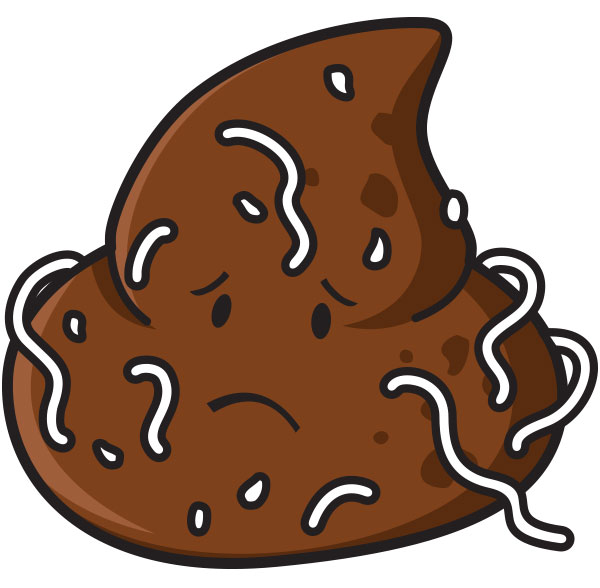
If you find rice-like specks or spaghetti-like strands, you’re probably looking at worms—tapeworms or roundworms. Those are the only two types you can observe with your own eyes.
Tapeworms can appear as actual worms or, as they dry, rice.
Further reading: Polka Dot Dog Poop


Dog poop color: breed-specific notes
German Shepherds may be prone to EPI (pale stools) due to genetic factors.
Small breeds such as Yorkies may exhibit more pronounced color changes in stress-related colitis (bloody).
Older dogs across breeds are more susceptible to cancer-related bleeding (black/red).
Related articles:
My Dog’s Poop: What Can You Learn from Your Dog’s Stool
Dog Poop Consistency
Further reading:
Dog Poop Color Chart | What Each Color Means
Why Does My Veterinarian Want a Poop Sample?