


How do you go about finding the ideal family veterinarian who works in a great clinic?
This story is an excerpt from Speaking for Spot: by Dr. Nancy Kay. I chose this story because it particularly touched me, as it is quite similar to our challenge.
Did you get the book yet? Go get the book! Get the book! Get the book!


How to begin
Begin your search by asking friends and neighbors. If they are passionate in a particularly negative or positive way, learn why. Their reasoning may not be relevant in your case. Your neighbor may be excited about the ‘free vaccine with every office visit’ policy, whereas such an enticement might not appeal to you. It may even be a turnoff.
Next, ‘shmooze’ with others at your community dog park. See if there’s a negative or positive consensus regarding the vets in your area.
Talk to dog trainers and the staff at pet stores, feed stores, groomers, boarding facilities, and your local humane society. Ask them who they’ve chosen for their own dog’s care.
If the same names keep popping up—whether in association with complaints or compliments—take note. Such information is likely quite reliable.
Secret tip
Although not necessarily easy to obtain, far and away the most trustworthy and accurate opinions come from staff at your local emergency hospital.
Many family vets refer their after-hour emergencies and patients requiring overnight care after a procedure to such a facility. Therefore, people working there readily acquire information (and form opinions) about the referring veterinarians—how they think and their ability to make important medical decisions.
Hospital staff interacts directly with these vets. They read their medical records and observe the quality of their x-rays, surgical techniques, bandages, splints, and anesthetic recoveries. They also get a clear sense of clients’ level of satisfaction with the care their dog has received.
Trust me—if a client is unhappy, the emergency hospital staff members are going to hear about it!
How to get the intel?
So how do you get the ‘lowdown’? This can be a little bit tricky as staff may be reluctant to share their recommendations. After all, their business depends on referrals from general practitioners within the community.
If favoritism is perceived, the hospital’s business will suffer. Here I’ve offered some advice (I hope you don’t mind the little bit of bribery involved!)
- Pay your local emergency facility a visit, ideally during a quiet time. Call ahead to see if the waiting room is somewhat empty.
- Arrive with your arms filled with home-baked goodies.
- Give the receptionist a sense of what you are after, and ask to speak with the emergency vet, promising that you only need two minutes of her time.
- If allowed access, try to have a private conversation and get straight to the point. Bend over backward to reassure the vet that you will be discreet. Say that you are looking for exceptional medical care for your dog, and ask for a few (not just one) recommendations. This way, she can feel she is not showing favoritism.
- You can also provide her with a list of names already suggested to you.
- Listen carefully and watch the doctor’s response—she might be reluctant to give you an out-and-out negative opinion, but her body language may tell you a great deal.
Not so secret tip
Don’t forget to also tactfully solicit opinions from other hospital staff. Although technicians and receptionists are not always forthcoming with recommendations, where they are, count your blessings.
You’ve received some exceptionally valuable information.
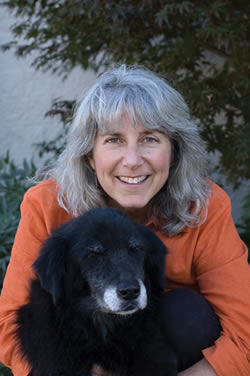
DR. NANCY KAY wanted to become a veterinarian for just about as long as she can remember. Her veterinary degree is from Cornell College of Veterinary Medicine, and she completed her residency training in small animal internal medicine at the University of California—Davis Veterinary School.
Dr. Kay is a board-certified specialist in the American College of Veterinary Internal Medicine and published in several professional journals and textbooks. She lectures professionally to regional and national audiences, and one of her favorite lecture topics is communication between veterinarians and their clients. Since the release of her book, Speaking for Spot: Be the Advocate Your Dog Needs to Live a Happy, Healthy, Longer Life, Dr. Kay has lectured extensively and written numerous magazine articles on the topic of medical advocacy. She was a featured guest on the popular National Public Radio show, Fresh Air with Terry Gross.
Dr. Kay is a staff internist at VCA Animal Care Center, a 24-hour emergency/specialty care center in Rohnert Park, California. As a way of providing emotional support for people with sick four-legged family members, Dr. Kay founded and helps facilitate the VCA Animal Care Center Client Support Group. She also facilitates client communication rounds for VCA Animal Care Center employees.
Related articles:
What Makes a Good Veterinarian: Veterinarians Are People First