


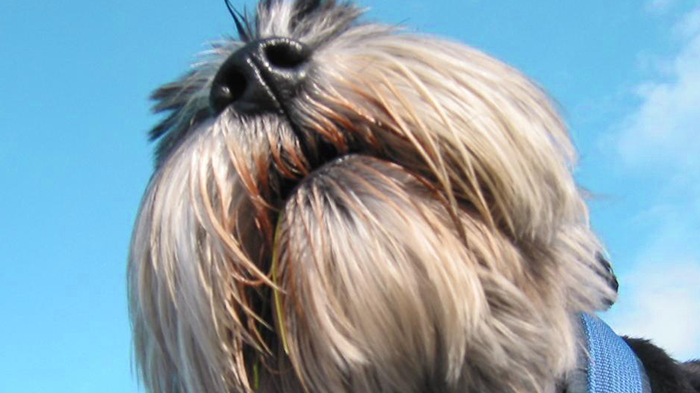
Unless you are familiar with it, reverse sneezing can look like your dog is choking.
Reverse sneezing involves a lot of snuffing, snorting, gagging, and generally scary sights and sounds. It looks nothing like regular sneezing, which is recognizable to anybody. Instead, reverse sneezing looks absolutely scary the first time you witness it.


What is the difference between sneezing and reverse sneezing?
Simply put, sneezing = air out, and reverse sneezing, as the term indicates = air in. Sneezing is a reaction to an irritant in the nasal passages. Reverse sneezing is caused by a spasm of the throat and soft palate in response to irritation of the throat, pharynx, or laryngeal area.
If you’re unfamiliar with reverse sneezing, it can startle the pants off you.
When I first witnessed Jasmine’s episode of reverse sneezing, I was concerned. I thought she was either choking or having some asthma attack. However, it t passed before I managed to rush her to an emergency hospital, and she was perfectly normal after that. A reverse sneezing episode typically lasts from a few seconds to a few minutes.
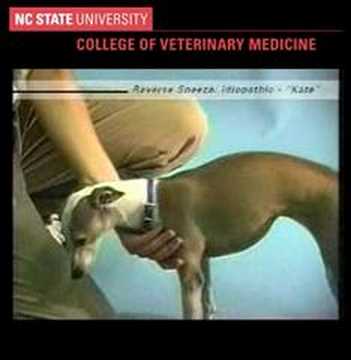
Compare this to a regular sneeze.
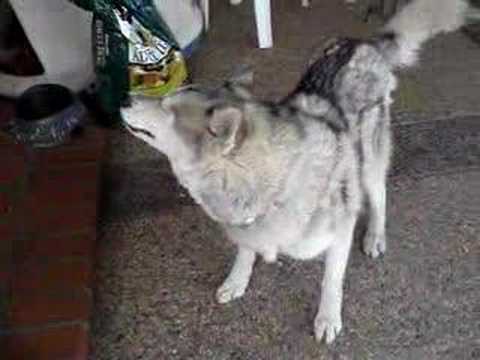
Fortunately, reverse sneezing looks way scarier than how dangerous it is.
Reverse sneezing rarely requires medical attention unless it is chronic, frequent, or prolonged in duration.
Typically, reversed sneezing can be triggered by excitement, irritants such as pollen particles or perfume, a tight collar, exercise intolerance, or even a sudden temperature change.
However, when your dog gets more than the odd episode, just like with excessive sneezing, you might be looking at something more serious such as a potential foreign body, infection, collapsing trachea, polyps or tumors.
Whether or not a typically normal physical reaction such as sneezing, panting, reverse sneezing and others is a problem or not depends on the degree of severity and frequency.
Related articles:
Further reading:
Reverse Sneeze in Dogs