


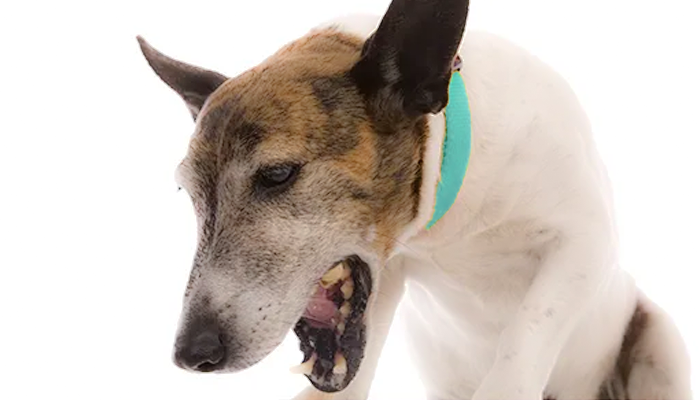
Regurgitation is not vomiting. What is the difference between the two and why does it matter?
Vomiting is the forceful expulsion of stomach contents. A dog will be nauseous—they might drool or lick their lips right before they throw up. You will typically see dogs heaving as they vomit.
Regurgitation refers to a more passive process and involves the expulsion of the contents of the esophagus.

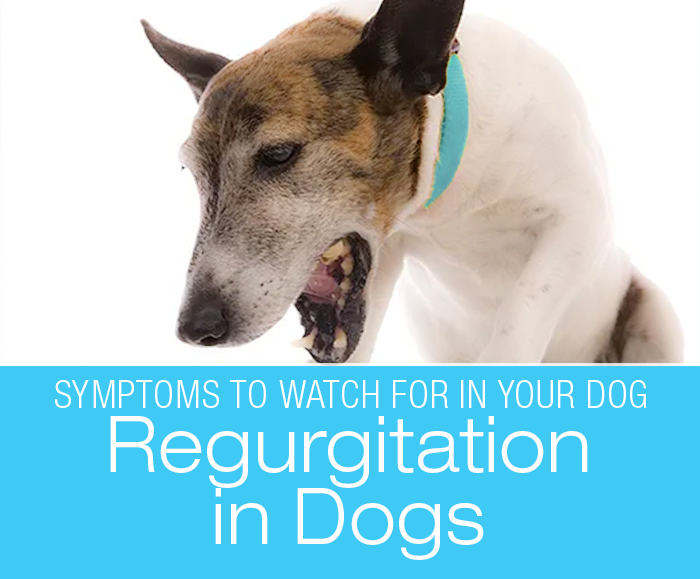
Regurgitation versus vomitting
There is no heaving with regurgitation.
Jasmine vomited plenty of times but regurgitated only once or twice. There was a distinct difference. When she regurgitated, it was almost immediately after she finished her meal. The food came out the same as it went down (well, in kind of a sausage shape). She just opened her mouth, and there it came.
When Jasmine vomited, it was always preceded by the well-known heaving sound. She would then make a dash to open the door to let her out. She always tried to take it outside, so it was up to me whether or not I made it there on time.
Is there bile?
The presence of bile (a yellowish-brown tinged fluid) means that what you’re looking at is vomit.
But not all vomit contains bile. JD would overdo it at the farm munching on horse poop and grass now and then. What he would vomit the following day looked almost like poop. You could clearly see what he feasted on the previous day, and there was no bile in it at all. There was a lot of heaving, though.
Causes of regurgitation
Obstructions
The most common regurgitation causes are partial or complete obstruction of the esophagus or an esophageal motility issue.
Potential causes of esophageal obstruction include:
- a foreign body
- stricture (narrowing)
- vascular abnormality (blood vessels that form a tight ring around the esophagus),
- or a tumor.
Problems with motility can stem from inflammation, Addison’s disease, neuromuscular disorder, or toxins. Megaesophagus – a condition with several potential underlying causes – is a common cause of regurgitation in dogs.


Megaesophagus
Megaesophagus is a disorder of the esophagus.
A healthy esophagus is a muscular tube that expands and contracts to move food and water from the mouth to the stomach. With megaesophagus, this tube dilates and becomes flabby, causing it to malfunction. As a result, food and water do not make their way into the stomach. Instead, they build up within the esophagus and eventually come back out.
Frequent regurgitation puts your dog at risk of developing aspiration pneumonia. Aspiration pneumonia is a result of accidental inhalation of food into the lungs.
Gastroesophageal reflux (GERD)
Regurgitation can also be one of the symptoms of gastroesophageal reflux (GERD).
This condition stems from the reverse flow of gastric or intestinal fluids into the esophagus.
So you might be looking at inflammatory bowel disease (IBD), chronic pancreatitis, infections, parasites, liver problems … basically, anything that causes prolonged vomiting.
Other causes include::
- Hiatal hernias (movement of abdominal contents through the diaphragm around the esophagus)
- anesthetic procedures during which dogs are positioned on their backs for long periods
The causes of regurgitation are quite different from those behind vomiting.
Treatment then will be very different also. But, as always, proper diagnosis is the starting point.
Genetic predisposition to esophageal disorder
Megaesophagus is a complex of disorders resulting in dysfunction of esophageal motility. There are breeds that are genetically predisposed to getting this condition, including:
- German Shepherds
- Newfoundlands
- Great Danes
- Iris Setters
- Shar-Pei
- Greyhounds
- Labrador Retrievers
The problem might present from birth, or develop later in life.
Beside regurgitation, other symptoms of megaesophageal disorder include:
- bad breath
- symptoms associated with pneumonia
- wasting from slow starvation
Dogs can develop megaesophagus secondary to other problem:
- Myasthenia gravis
- neurological issues
- blockage
- severe inflammation
- hormonal diseases such as hypothyroidism or Addison’s disease
- poisoning
Further reading: Megaesophagus
Megaesophagus in German Shepherds
As you can see above, German Shepherds lead the list of affected breeds. When puppies suffer from megaesophagus, they are often unable to survive.
Wouldn’t it be nice if breeders could test for the predisposition?
Genetic variation associated with megaesophagus in German Shepherds discovered
The researchers at Clemson University discovered the genetic variation that is behind esophageal disorder in German Shepherds. Breeders now can test to reduce the risk for future litters. The problem lies within hormone receptor affecting appetite, weight, and the way food moves through the GI tract.
As well as it turned out that male dogs are more likely to suffer from megaesophagus than females.
It also turns out true that the active ingredient in Viagra–sildenafil, improves survival and recovery in puppies.
At this time, it is not clear whether the same variation is at play in other susceptible breeds.
Related articles:
Vomiting in Dogs: Is He Actually Vomiting?