


If your dog stops eating, they might be suffering from a life-threatening illness.
Does it sound like an overstatement? It may not be. If your dog who loves their food suddenly stops eating, it can be a medical emergency. Whether your dog is not interested in eating or they want to eat but cannot, their health might be in trouble. Further, in small dogs or puppies, not eating alone can result in a dangerous situation.
The big picture considerations include the speed of onset, whether your dog refuses all food or eats some, and whether your dog looks or acts sick.
Further information: Symptoms to Watch for in Your Dog: The Big Picture
Depending on the cause, your dog might show any of the following other symptoms such as:
- vomiting
- diarrhea
- lethargy
- weakness
- increased thirst and urination
- difficulty breathing
- withdrawn behavior
- weight loss
- fever
- hunched or abnormal posture (dogs with painful backs or necks will often stop eating and sometimes it’s the only symptom)

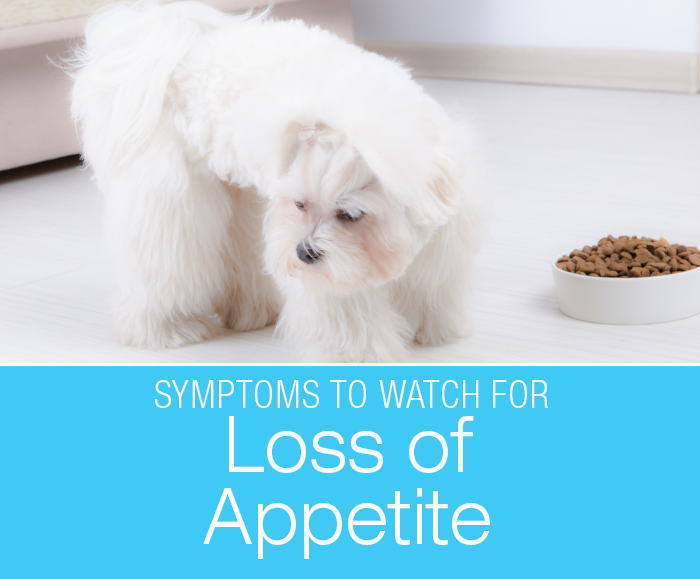
Introduction
Loss of appetite is one of the most unappreciated symptoms, particularly when the dog eats some or is thought to be a picky eater. For the longest time, we came to believe that Jasmine just wasn’t so interested in food …
Is there such a thing as a dog who doesn’t like food? I don’t believe so. Either something is wrong with the food, or something is medically wrong with the dog. Dogs love to eat. Eating equals survival. Instinct drives dogs to eat, and eating brings satisfaction. Dogs are opportunistic scavengers, meaning when there is an opportunity to eat something, they will.
Yes, I believe there IS such a thing as a picky eater, particularly after getting a taste of something specially yummy. But how common is that?
Spot
My mom’s parents fed their dog a risotto type of food. Some rice, some veggies, some bits of meat—Spot was perfectly capable of picking out the meat and leaving the rest, btw. At that time, my mom kept some rabbits for food. She had way too much rabbit meat, and she gave some to her parents. It was too much for them too, and a bunch of it went to Spot. He didn’t complain in the least.
Eventually, they ran out. Spot thought that returning to his usual diet was unacceptable. He refused to eat for a week until he finally got hungry enough to give in.
Some dogs learn they will be able to mooch something better out of you and won’t touch their kibble.
However, don’t immediately dismiss a chronically picky eater as a little manipulator. If a dog feels ill enough to lose their appetite, they might still be persuaded with higher-value food. Never assume your dog is simply picky.
Jasmine
In Jasmine’s case, it turned out that all that time, she was suffering from food allergies and inflammatory bowel disease (IBD), which her vets missed for five years! As soon as we had the diagnosis and started treating, you should have seen her polish her bowl. When she turned her nose on her meal, we knew her IBD was acting up.
A dog that doesn’t like to eat? I’m not buying it.
JD and Cookie
The only time Cookie refused food was when she had a bout of pancreatitis after getting into some horse feed. JD refused food only once in his entire life and went on to throw up a bunch of plastic later on.
Every time we have had a dog not eating, there has been a tangible reason behind it.
Is it the food?
Yes, there can be an issue with the food—it is not a bad idea to take a closer look. It might be a bad batch. Or your dog is sensitive to some of the ingredients.
However, if you find yourself escalating in embellishing what you feed your dog, give it a second thought. Especially if you see associated weight loss or any other symptoms.
Stress, fear, and anxiety
Stress, fear, and anxiety can cause decreased appetite. Don’t I know it. Every time something isn’t right with any of our dogs, I just can’t force myself to eat anything. It can happen to a dog too.
There is a biological explanation for that. Stress keeps the body in fight or flight mode. All other functions are suspended.
Prolonged stress can do a lot of damage to a dog’s body. If your dog is stressed enough to refuse food, he needs some serious help. Ensure your dog feels safe where/when they eat. For example, competition from other dogs can keep them away from the bowl. As well as rescue dogs with a history of mistreatment around food won’t approach their bowl until they are alone.
Further information: Dog Adrenal Hormones: What is the Difference between Adrenaline and Cortisol?
Illness
Virtually any health problem will influence your dog’s appetite. Some medical conditions can cause a voracious appetite. Most of the time, though, appetite will decrease.
Conditions that can make your dog unable to eat
Your dog is hungry but might have a hard time picking up, chewing or swallowing their food:
- severe dental disease
- pain and inflammation in the mouth or throat
- salivary gland disease
- masticatory myositis
- temporomandibular joint disease (TMJ)
- oral cancer
- neurological issues
- pain
Illnesses that can make your dog not want to eat
Your dog is not hungry:
- loss of sense of smell
- nausea
- gastrointestinal disease
- GI foreign bodies
- GI obstruction (partial or complete)
- inflammatory bowel disease (IBD)
- ulcers
- intestinal parasites or infection
- infections/fever
- medication side effects
- poisoning
- problems with the pancreas
- liver disease
- kidney disease
- heart disease
- blood disease
- pain
- immuno-mediated disease
- metabolic disease
- cancer
Similarly to diarrhea or vomiting, your dog’s anorexia can be caused by a problem within the GI tract, or have nothing to do with it at all. A thorough veterinary physical exam can help to narrow it down to one or the other. They will want to follow up with blood work or imaging depending on what problem they suspect.
Further information: Anorexia in Dogs
Summary
Pay attention and don’t dismiss your dog’s change in appetite.
Every time any of our dogs had a change in appetite, there was a medical reason for it. Some of these are more serious than others. Some might require immediate attention, especially if your dog stops eating altogether—always consider the big picture.
When your dog’s appetite tanks, take it seriously. Gradually reduced appetite warrants investigation. The faster it happens, the more urgent the situation. Loss of appetite in small dogs or puppies is always urgent.
Real-life stories:
Pyometra in Dogs: Phoenix’s Lethargy and Loss of Appetite
Loss of Appetite in a Puppy: A Puppy That Doesn’t Want To Eat Or Play Is An Emergency—Aurora’s Story
Anorexia in Dogs: Aspen’s Leukemia
Related articles:
Is Loss of Appetite an Emergency?
Symptoms to Watch for in Your Dog: The Big Picture
Further reading:
Anorexia in Dogs
Overview of Anorexia (Loss of Appetite) in Dogs